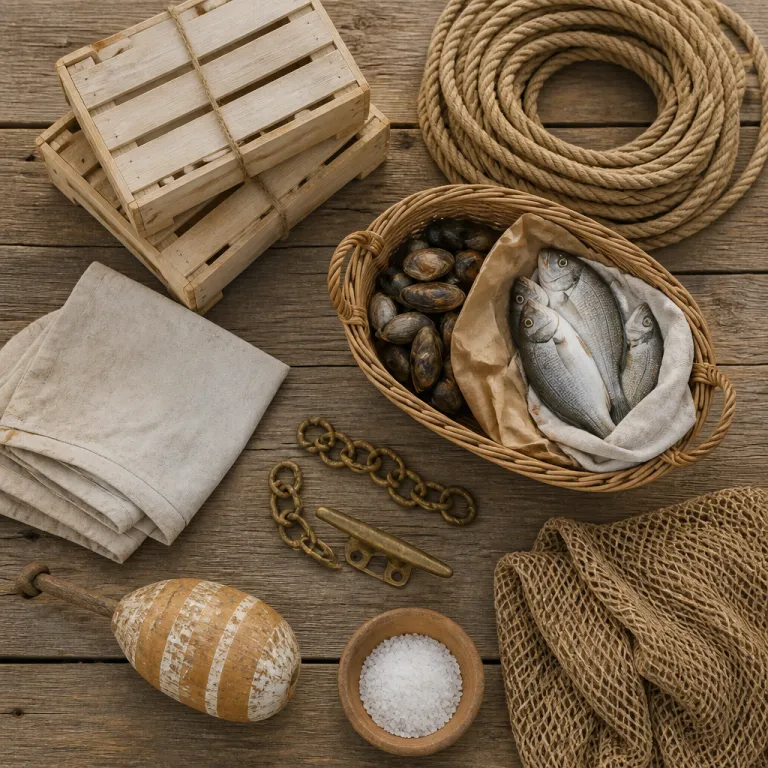
From Michelin stars to harbour tables: why Bodrum’s seafood stays local
Luxury travelers fly to Bodrum for Maçakızı and Kitchen by Osman Sezener, yet the most memorable seafood often comes from a simple restaurant beside the harbour. Along this Muğla coastline, small-scale fishermen land fresh fish at dawn and most Bodrum seafood is eaten within a few kilometres of the quay, creating a dining experience that feels intensely of the place. When you plan a premium stay, understanding how these fishing village seafood restaurants work will shape every meal, every glass of rakı, every sunset by the sea.
According to the Muğla Provincial Directorate of Agriculture and Forestry, the Bodrum district lands roughly 4,500–5,000 tonnes of marine fish each year, and local demand quietly absorbs almost everything before it can leave the Aegean Sea. That is why Bodrum fishing village seafood restaurants can offer fresh seafood that was still in the water a few hours earlier, from grilled fish skewers to delicate meze plates dressed with olive oil. For couples used to tasting menus, this is a different kind of luxury food experience, where the best dishes are chosen from a tray of whole fish rather than a printed menu.
Local fishermen act as daily harvesters, while seaside restaurants turn the catch into traditional Turkish dishes that rival any fine dining restaurant Bodrum can offer. As one official explanation from the local fisheries department puts it, “Why doesn't Bodrum's seafood leave the harbor? Local demand consumes most catch.” That simple sentence explains why a modest fish restaurant on a village pier can serve sea bass and octopus that feel almost impossibly fresh, and why seafood restaurants here have become a quiet obsession for returning guests. As captain Mehmet, a third-generation fisherman from Torba, says, “If the fish is good, it never makes it past the harbour – the restaurants take everything by lunchtime.”
Güvercinlik and Gündoğan: quiet bays, loud flavours
Güvercinlik sits on a sheltered bay east of Bodrum, a low key fishing village where the sea laps almost against the restaurant tables. The harbour is lined with modest restaurants Bodrum regulars whisper about, places where fresh fish is displayed on ice and the staff talk you through which seafood is best that day. Names like Balıkçı Hasan, Denizhan Restaurant, and Güvercinlik Balıkçısı come up again and again when locals swap recommendations. Arrive late morning, inspect the catch with the local équipe as boats return from the inshore reefs, then settle in for a long lunch as the Aegean breeze moves through the pines.
Here, the ritual is simple yet deeply luxurious for a couple on a romantic trip. You choose your fish restaurant based on the glint of the fresh seafood, then decide whether you want your sea bass grilled whole, filleted, or baked in olive oil with tomatoes and herbs. Meze arrives first, a colourful procession of dishes that might include octopus salad, smoked eggplant, and seasonal greens, all setting the stage for the main seafood restaurant spectacle. Many regulars ask for a small plate of fried red mullet to share before the main course, turning the meal into a slow, almost ceremonial tasting of the day’s catch.
North of Güvercinlik, Gündoğan wakes early with the sound of the fish market auction. Local fishermen unload crates of Bodrum seafood from around 7 a.m., and restaurant owners bid for the best fish while the marina yacht crews watch from the quay. Simple places like Fener Balık, Gündoğan Balıkçısı, and tiny family-run lokantas on the backstreets buy directly from these boats. For a deeper dive into neighbourhood tables and meze culture beyond the harbour, read this guide to Bodrum’s meze restaurants the guidebooks miss, then return to Gündoğan at noon when the same fresh fish appears on ice outside each restaurant Bodrum side street.
Turgutreis and Yalıkavak: working ports, contrasting marinas
On the western edge of the peninsula, Turgutreis remains a working port first and a resort second, which matters if you care about fresh fish. The Thursday market fills the streets with local food, while the harbour’s seafood restaurants light their grills as the fishing boats return across the Aegean. Couples staying in luxury hotels nearby often slip away from the pool for an evening in Turgutreis, trading tasting menus for grilled fish eaten metres from the sea.
Here, a typical dining experience starts with a walk along the quay, where each seafood restaurant displays its catch on crushed ice. You point to the sea bass or red mullet you want, agree the price per kilo, then sit down with a chilled bottle while the kitchen prepares your dishes with little more than salt, lemon, and olive oil. The result is a meal that feels both traditional Turkish and quietly indulgent, especially when live music drifts over from a neighbouring place as the sun sinks behind the islands. Regulars often mention simple harbour spots such as Mehmet’s Balık Evi or Körfez Restaurant, where the owners still greet fishermen by name.
Yalıkavak tells a different story, split between its old fishing quarter and the polished Bodrum marina with its yacht club and designer stores. In the backstreets, family run restaurants Bodrum regulars love still serve meze and fresh seafood to locals, while along the marina yacht berths, international restaurants offer elaborate menus and high energy scenes. For help choosing a hotel that matches the mood you want, from whitewashed hideaways near the old harbour to design led properties overlooking the marina, explore this guide to aligning luxury hotel bookings with Bodrum’s culinary scene.
What to order: reading the Aegean calendar like a local
Knowing what to order in Bodrum fishing village seafood restaurants turns a good meal into a great one. Local demand means the restaurant menu often changes daily, so you will rarely see long printed lists of dishes and fixed prices. Instead, you walk to the counter, talk through the fresh seafood with the staff, and build your own traditional Turkish feast.
Barbunya, the local red mullet, tends to shine in late summer and early autumn, when its flesh is firm and sweet. Levrek, or sea bass, appears almost year round, but the best fresh fish usually comes in the shoulder seasons when the Aegean Sea is cooler and the fish are lean. Ahtapot, or octopus, is often slow cooked then charred over charcoal, becoming one of the most delicious meze plates on the table when dressed simply with olive oil, lemon, and herbs.
To order like a local, think in seasons: in March–May, look for lean sea bass, gilt-head bream, and tender calamari; June–August brings sardines, red mullet, and lighter grilled fish; September–November is prime time for barbunya, bonito, and richer stews; December–February often highlights squid, octopus, and hearty oven-baked dishes. Couples who care about sustainability will appreciate that local fisheries and restaurants are increasingly focused on responsible practices. The region’s recognition in the MICHELIN Guide, including a Green Star for sustainable gastronomy awarded to a restaurant in nearby Muğla, reflects a broader shift toward protecting the sea that feeds these restaurants. When you choose a fish restaurant that explains where its seafood comes from and which species are in season, you support both the local economy and the long term health of the Aegean.
Planning your stay: pairing luxury hotels with harbour tables
For travelers using a luxury and premium hotel booking website in Bodrum, the smartest move is to map your stay around both beaches and fishing harbours. Choose at least one night near a working marina, whether that is Turgutreis, Yalıkavak’s old quarter, or a quieter place like Güvercinlik, so you can walk from your room to a fish restaurant without worrying about taxis. Then balance that with a few nights in a design forward property overlooking the Aegean Sea, where you can enjoy refined hotel restaurants on evenings when you do not feel like leaving the pool deck.
Some of the best hotels now build relationships with local fishermen and harbour restaurants, arranging transfers or even private grilled fish lunches on nearby jetties. When you browse options on stay-in-bodrum.com, look for properties that highlight their connection to local food and seafood restaurants rather than only their spa or beach club. For a deeper look at how culinary arts and hotel choices intersect on the peninsula, this overview of design hotels on the Bodrum peninsula is a useful companion.
Price wise, the contrast between a harbour lokanta and a Michelin starred restaurant Bodrum side is striking. A generous lunch for two at a fishing village seafood restaurant, with meze, fresh fish, and wine, can cost a fraction of a tasting menu at a one star property, yet the experience often feels just as special. The real luxury here is not the white tablecloth but the knowledge that your sea bass was still swimming off the coast of Bodrum that same morning.
FAQ
Why does so much Bodrum seafood stay in the harbour?
Local demand from residents, hotels, and restaurants is so strong that most fresh fish is consumed within the region. This means Bodrum fishing village seafood restaurants can rely on daily catches rather than imported seafood. For travelers, it translates into exceptionally fresh dishes that rarely travel far from the Aegean waters where they were caught.
What are the most popular seafood dishes to try in Bodrum?
Grilled fish, seafood mezes, and octopus salad are consistently popular across the peninsula. Many couples start with a spread of meze, then share a whole grilled sea bass or red mullet as a main course. Simple preparations with olive oil, lemon, and herbs allow the freshness of the seafood to stand out.
When is the best time to visit Bodrum for seafood lovers?
Spring and summer are ideal for seafood focused trips, with calmer seas and a wider variety of species in season. During these months, harbour restaurants offer abundant fresh seafood, and many villages host small festivals celebrating local food. Shoulder season visits also work well for travelers who prefer quieter marinas and cooler evenings.
How can I make sure I am getting fresh fish at a restaurant?
Choose restaurants that display their fish on ice and invite you to inspect the catch before ordering. Look for clear eyes, bright gills, and a clean sea smell rather than any strong odour. Asking staff when and where the fish was caught is normal in Bodrum, and good restaurants will answer confidently.
Are Bodrum’s harbour restaurants suitable for a romantic luxury trip?
Yes, many harbour side restaurants offer candlelit tables by the water, attentive service, and excellent wine lists, making them ideal for couples. The setting is more relaxed than a formal fine dining room, but the quality of the seafood and the sense of place feel distinctly luxurious. Pairing these dinners with a stay in a premium hotel nearby creates a balanced, romantic itinerary.
Sources
MICHELIN Guide Türkiye, Muğla Provincial Directorate of Agriculture and Forestry fisheries statistics, Turkish Ministry of Culture and Tourism.