How to use this Bodrum markets shopping guide from your hotel base
Bodrum rewards travelers who plan their market days with the same care they plan their suite. This Bodrum markets shopping guide is written for guests staying in luxury and premium hotel properties who want a local-style immersion before the summer crowds arrive, and it shows how to weave each weekly market into a relaxed family itinerary. When you land at Bodrum Airport and transfer to your hotel on the peninsula, think of this guide as your quiet roadmap to the best things to buy, the most atmospheric streets, and the right hours to shop like a resident rather than a rushed tour participant.
The peninsula hosts several weekly markets, or pazar, that shape daily life and give structure to any thoughtful wander. According to Bodrum Municipality’s published market schedule, there are seven main weekly markets across the area, with an average of around 50 vendors at each, which means you can find a different market experience almost every day without repeating the same bazaar twice. These weekly events run from morning to early afternoon, so the best strategy is to schedule a short day trip from your hotel after breakfast, then retreat to the pool or a late boat trip once the sun and crowds intensify.
Families staying in seaside retreats near the marina or along the bays can easily combine markets with gentle cultural stops. A private car from your hotel makes it simple to tour several bazaars in sequence, starting with the Tuesday clothing market in Bodrum town, then the Thursday stalls in Gümüşlük or the Saturday market in Turgutreis, and finally the Friday scene in Ortakent Yahşi for a quieter, more traditional Turkish feel. Use this Bodrum markets shopping guide to decide which market matches your children’s energy, whether you want a food-focused experience, textile hunting, or a quick stop before a late afternoon boat excursion.
Market calendar and the best times to shop with children
The backbone of any Bodrum markets shopping guide is the calendar, because each market has its own rhythm and crowd. In Bodrum town, Tuesday is clothing day and Friday is for produce, so if you want to shop like a local for textiles and then return for figs, olives, and herbs, you will need two separate mornings. Turgutreis hosts the peninsula’s largest Saturday market, while Ortakent Yahşi offers a more compact Friday scene that suits families who prefer fewer things to navigate and easier parking near the beach.
Municipal data confirms that markets typically operate from morning until early afternoon, and local vendors quietly agree that “Arrive early for best selection.” For families staying in a seaside hotel, the sweet spot is to reach the market by 9:00, wander the streets of Bodrum or Turgutreis for two hours, then sit for Turkish coffee before the heat builds. Plan to leave by noon, return to your marina-facing pool or a reserved daybed at one of the refined beach clubs in summer, and keep the afternoon free for a relaxed boat trip or a nap.
Parking can be tight near the central bazaar in Bodrum town and around the Turgutreis market area close to the main bus station, so ask your hotel concierge to arrange a driver who knows the back streets and the temporary traffic patterns on market days. If you prefer to move between districts by taxi, ask to be dropped a few hundred metres away and walk in, which lets children stretch their legs and immediately feel the energy of the bazaar. This timing-focused approach keeps the experience short, vivid, and comfortable, rather than an exhausting all-day marathon.
What to buy: from traditional Turkish textiles to marina side brands
Once you have the calendar, the next layer of any Bodrum markets shopping guide is knowing what to buy and where. The weekly bazaar in Bodrum town is ideal for hand-painted ceramics, natural sea sponges, olive oil soaps, and traditional Turkish textiles that still feel authentic rather than mass produced. In Turgutreis, the scale of the market means you can find both everyday household items and more refined pieces, so walk slowly and let children point out colours and patterns that catch their eye.
Look for stalls selling olive oil from nearby villages such as Mumcular or Milas, then ask the vendor about the grove and harvest, which turns a simple shopping errand into a small lesson in local agriculture. Natural sponges, hammam towels, and leather sandals are among the best things to buy here, and they pack easily into a suitcase for your trip from Bodrum to Istanbul or beyond. When you want a contrast to the bazaar, head to Yalıkavak Marina, where luxury brands line the waterfront and the atmosphere shifts from market bustle to curated shopping with polished service and air-conditioned interiors.
Families staying in high-end hotels near Yalıkavak Marina can split the day between the mall-style retail zone and the open-air promenade, letting teenagers browse international brands while younger children watch the superyachts and small boat traffic. If you are planning to continue your Turkish journey with a city break, this is also the moment to think about urban style and consult a refined guide to the best hotels in Istanbul for a seamless transition from seaside markets to metropolitan galleries. Balancing bazaar finds with marina boutiques gives your Bodrum stay a satisfying range, from traditional market textures to contemporary resort-ready wardrobes.
Family friendly routes, artisan visits, and hotel concierge strategies
For families, the most successful Bodrum markets shopping guide is built around short, purposeful routes rather than ambitious all-day circuits. Start with a simple loop from your hotel in Bodrum town to the Tuesday clothing market, then continue through the narrow streets towards the castle, stopping for Turkish coffee and fresh orange juice when children need a pause. On another morning, plan a day trip from a seaside retreat in Ortakent Yahşi, combining the Friday market with an hour on the beach so younger travelers associate the bazaar with play as much as with shopping.
Artisan visits add depth and are often easier to manage with children than dense crowds, because workshops feel calmer and more focused. Ask your concierge to arrange a short visit to a ceramicist’s studio in a nearby village, where you can see how the hand-painted plates at the market begin as raw clay, or to a weaving atelier that produces the flat-woven kilims stacked at the bazaar. Some olive oil producers also welcome visitors, and a brief tasting session can be one of the best things you do as a family, especially when paired with bread, tomatoes, and cheese bought earlier at the market.
Luxury and premium hotels excel at logistics, so use that expertise to refine your wander rather than relying on generic group tours. Ask the concierge to time your transfers to avoid the heaviest traffic from Bodrum Airport, to suggest which weekly market best matches your children’s ages, and to recommend a quiet café for a restorative Turkish coffee near each bazaar. If you are visiting in peak season, consult a specialist resource on how to lock down the best suite before peak season books out, then secure your preferred room category close to both the marina and the markets you plan to explore.
From bazaar etiquette to payment, safety, and what to skip
No Bodrum markets shopping guide is complete without clear etiquette, because how you behave at the bazaar shapes the experience as much as what you buy. Bargaining is expected at most stalls, but keep the tone light and respectful, especially when children are watching, and remember that you are negotiating with local families who rely on these weekly markets for their income. A friendly smile, a few Turkish words, and a willingness to walk away politely if the price does not feel right will usually lead to a fair outcome for both sides.
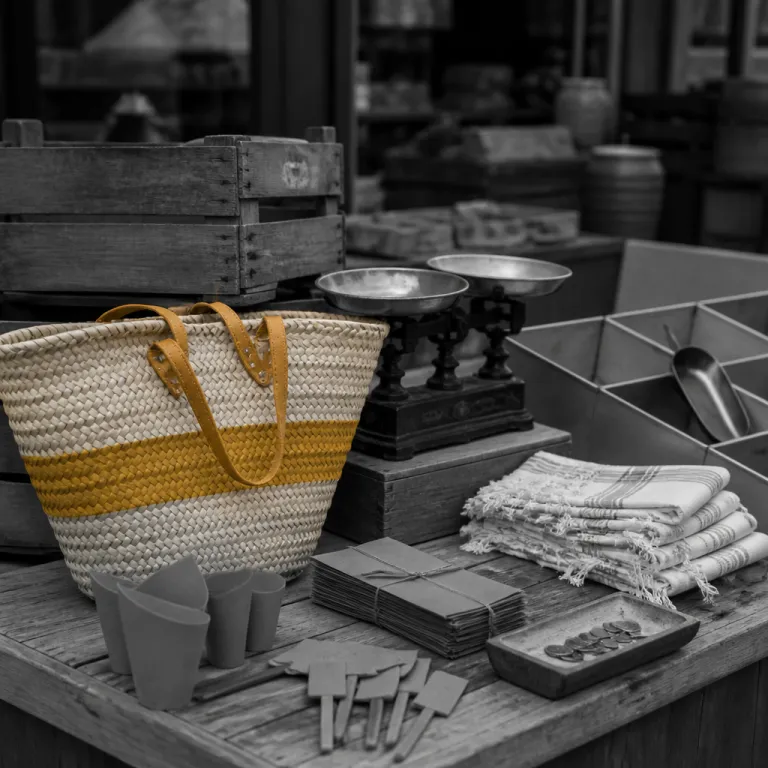
Official advice notes that “Are credit cards accepted at Bodrum markets? Some vendors accept cards, but cash is preferred.” Plan to carry Turkish lira in small notes, because this speeds up transactions and avoids awkward change situations when the market is busy. Many luxury travelers now use reusable shopping bags, which aligns with local efforts to reduce plastic and makes it easier to carry your finds back to the hotel or to a waiting boat for an afternoon cruise along the coast.
When browsing, focus on stalls where the craftsmanship is visible and the vendor can explain the origin of the goods, rather than tables piled high with identical souvenirs that appear in every market in Turkey. Be cautious with unlabelled cosmetics or food products that may not travel well, and instead prioritise ceramics, textiles, and packaged olive oil that can handle the journey from the Aegean coast to your next stop. If you plan to continue exploring beyond the markets, ask your concierge for a personalised guide best suited to your interests, whether that means more time at the marina, a quiet boat tour, or simply another slow morning wandering the bazaar before the summer crowds reclaim the streets.
Seaside retreats and how markets elevate your Bodrum hotel stay
Choosing the right seaside retreat is central to this Bodrum markets shopping guide, because your hotel location determines how easily you can slip into market life before the crowds. Properties near Bodrum town place you within a short drive of both the Tuesday clothing market and the Friday produce bazaar, while resorts in Turgutreis or Ortakent Yahşi give you immediate access to their own weekly markets and quieter beaches. Families who prioritise marina access might prefer Yalıkavak Marina, where luxury hotels sit between the yacht harbour, the shopping mall-style retail zone, and the coastal paths used for an evening wander.
From a practical perspective, staying close to both a marina and a market lets you design flexible days that balance culture, shopping, and rest. One morning you might explore the central bazaar with a private guide, return to the hotel for lunch, then board a boat for a late afternoon swim stop, turning a simple shopping errand into a full Aegean experience. Another day you could schedule a short day trip inland, then end with a sunset stroll through the streets of Bodrum or Yalıkavak, letting children choose a final round of Turkish ice cream while you pick up last-minute gifts.
For premium families, the goal is not to tick off every market on the peninsula, but to integrate a few well-chosen bazaars into a wider pattern of seaside living. Use your concierge and this flexible framework to decide which weekly market best matches your style, whether you lean towards traditional Turkish produce, contemporary brands at the marina, or a mix of both. When done well, these market days become the quiet highlights of your trip, the moments your children remember long after the boat has docked and the hotel lights have dimmed.
FAQ about Bodrum market days and local shopping
What are the usual operating hours of Bodrum markets ?
Most weekly markets in Bodrum open in the morning and wind down by early afternoon, with the busiest hours between 9:00 and 12:00. Arriving early gives you the best selection of produce and textiles, as well as cooler temperatures for children. Plan to leave around midday and return to your hotel or the marina for lunch and rest.
Which Bodrum markets are best for families staying in seaside hotels ?
Families based in Bodrum town will find the Tuesday clothing market and Friday produce bazaar the easiest to reach, often within a short taxi ride. Guests in Ortakent Yahşi can combine the Friday market with beach time, while those near Turgutreis have a large Saturday market on their doorstep. If you are staying close to Yalıkavak Marina, consider pairing a visit to the local market with an afternoon browsing the waterfront shops.
Is bargaining expected at Bodrum markets, and how should I do it politely ?
Bargaining is common at most Bodrum markets, especially for textiles, ceramics, and souvenirs. Start by asking the price, then suggest a slightly lower amount with a smile, keeping the tone friendly and respectful. If you cannot agree, thank the vendor and walk away calmly, which often leads to a final, fair offer.
Do vendors at Bodrum markets accept credit cards or should I bring cash ?
Some vendors, particularly those selling higher priced goods, accept cards, but cash in Turkish lira remains the most reliable option. Carry small notes to make transactions smoother and to avoid delays when the market is crowded. Many travelers also keep a separate wallet for market spending to stay organised.
What should I prioritise buying at Bodrum markets versus at the marina shops ?
Markets are ideal for traditional Turkish items such as hand-painted ceramics, olive oil, natural sponges, textiles, and everyday produce. Marina shops and malls are better for international brands, resort wear, and high-end accessories with clear sizing and return policies. A balanced approach is to buy your cultural keepsakes at the bazaar, then refine your wardrobe and gifts at Yalıkavak Marina or other curated retail areas.