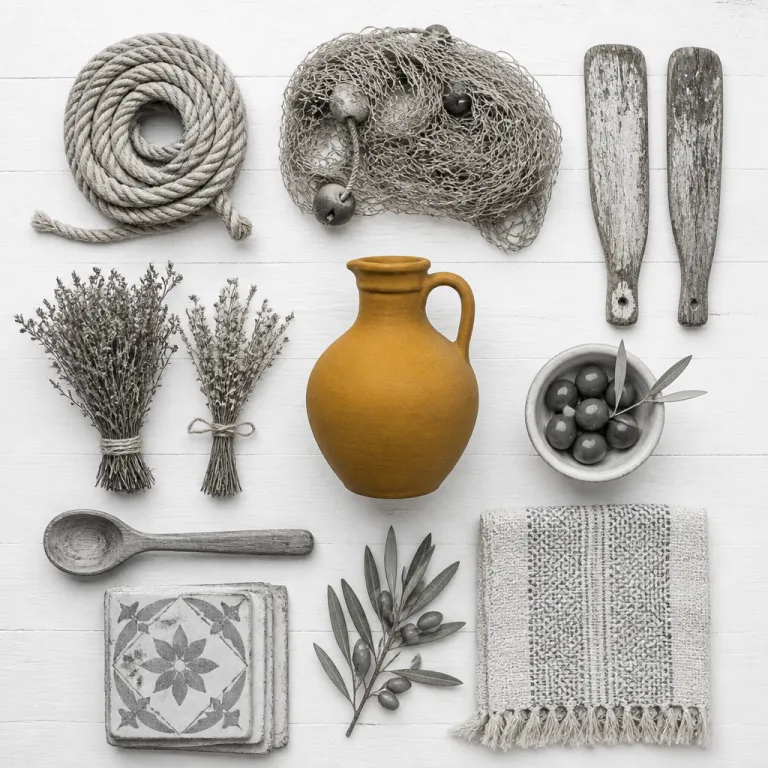
Bodrum culture, traditions, artisans and the luxury traveler
Bodrum sits on the Aegean edge of Turkey, a whitewashed town where luxury hotels overlook working harbours and tangerine groves. This peninsula is not just a resort region; it is a living crossroads of Turkish culture, where ancient seafaring history, contemporary art scenes, and quiet agricultural valleys still shape daily life. For travelers choosing the best high quality stay, understanding how Bodrum’s culture, traditions, and artisans intersect with hospitality changes how you read every marble lobby and every view of the Turkish coastline.
The main streets can feel international, with yachts from Istanbul, Antalya, and beyond, yet step a few lanes inland and you meet local artisans weaving a woven rug on hand looms or carving olive wood by the door. These crafts are not staged performances for visitors; they are part of a cultural heritage that survived modernization and is now finding new relevance through thoughtful tourism partnerships. Luxury properties that take this seriously act almost like a discreet museum of living traditions Turkish guests and international visitors can both engage with, rather than just offering imported décor and generic spa playlists.
Across the peninsula, tourism now accounts for a substantial share of local income, according to regional summaries from the Turkish Statistical Institute and the Muğla Provincial Directorate of Culture and Tourism. That reliance explains why the way luxury hotels work with artisans, farmers, and fishermen matters so much for the future of Bodrum and for the wider Muğla region in Turkey. When a hotel commissions traditional Turkish ceramics, sources olive oil from nearby villages, or curates cultural experiences with real craftspeople, it helps ensure that tradition continues as more than a marketing phrase.
Sponge diving and the last guardians of Bodrum’s underwater craft
Long before Bodrum became famous for beach clubs, it was a sponge diving town whose wooden boats sailed the Turkish coastline and as far as other parts of Turkey such as Antalya. The history of these divers reaches back to ancient times, when men from this region risked their lives for natural sponges that supplied Istanbul hammams and international markets. Today only a handful of traditional Turkish sponge divers remain, yet their stories still shape how locals talk about courage, sea knowledge, and the town’s maritime identity.
Meet one of these divers on a hotel-arranged visit to the harbour at dawn, and you hear how the tradition continues in quieter, more sustainable ways. Many now combine artisanal fishing with guiding small cultural trips, explaining how they once sailed towards distant Aegean ports or supplied traders near the historic bazaars in Istanbul. For luxury guests, a morning on a simple fishing boat, listening to this cultural history while the sun lifts over Bodrum Castle, can feel more unique and artistic than any poolside cabana.
Thoughtful hotels treat these encounters as more than photo opportunities and work with local cooperatives to ensure fair payment and safe practices. Some properties commission art pieces from local artisans who carve old sponge diving helmets or paint scenes of the ancient harbour, then display them in suites instead of anonymous prints. When you book, ask your concierge for a private guide who can arrange a meeting with one of these divers and frame it within the wider Turkish culture of seafaring, rather than as a quick stop between other places to visit.
Tangerine groves, Mumcular farmers, and the quiet inland Bodrum
Leave the waterfront and drive a few kilometres inland, and Bodrum reveals another face in villages like Bitez and Mumcular, where farmers still cultivate olives, citrus, and honey. This inland region has supplied the town for generations, and its agricultural history is as much a part of Bodrum’s culture and traditions as any seafront tavern. In Mumcular, for example, official figures from the Muğla Provincial Directorate of Agriculture describe around 3,500 tons of olive oil being produced in a typical year, and that output underpins both local livelihoods and the peninsula’s culinary reputation.
Many luxury hotels now work directly with these farmers, integrating sustainable farming into their supply chains and guest experiences. You might join a private guide for an early morning walk through Bitez tangerine orchards, tasting fruit straight from the tree while hearing how tourism pressure has reshaped land use in this part of Turkey. Back at your hotel, the same tangerines appear in a high quality breakfast, while olive oils from Mumcular olive oil cooperatives are poured tableside, turning a simple meal into a cultural narrative about traditional Turkish agriculture and the way tradition continues despite modernization.
Regional planning documents on Bodrum’s economy highlight how cultural preservation and tourism are now intertwined, noting that “maintaining traditional crafts and agriculture” aims to “preserve cultural heritage, support the local economy, and promote sustainable practices.” When hotels highlight which local artisans wove the rug in your room or which farmer produced the honey on your tray, they give names and stories to those objectives. For solo travelers, these details help you choose the best property not just for comfort, but for alignment with the cultural heritage you came to experience.
Stone masonry, whitewashed walls, and Bodrum’s architectural mandate
One of the first things you notice arriving in Bodrum is the consistent architecture, with whitewashed houses, blue shutters, and stone details that echo the town’s ancient fortifications. This is not accidental styling; local regulations and long-standing traditions Turkish builders follow have kept the skyline low and the palette restrained, preserving both natural beauty and a strong sense of place. Behind those clean lines stand stone masons and plaster specialists whose skills are increasingly rare along the wider Turkish coastline.
These local artisans work with local stone, lime-based whitewash, and traditional Turkish techniques that respond to the Aegean climate, keeping interiors cool without excessive air conditioning. Some luxury hotels commission them not only for façades, but also for interior art pieces, carved basins, and textured walls that reference Bodrum Castle and other ancient structures across Turkey. When a property invests in this kind of high quality craftsmanship instead of imported cladding, it supports a cultural heritage of building that connects Bodrum to other historic centres such as Istanbul’s Topkapi Palace, where stone and light define the visitor experience.
As a guest, you can look for signs that tradition continues in the details of your room and shared spaces. Are the stone floors laid by a named mason from the town, or are they generic tiles that could belong in any international resort from Antalya to Cappadocia? Ask your concierge for a short architectural guide to the property, and for recommendations on places to visit where you can see masons at work in the old town streets, turning raw stone into artistic forms that echo both Turkish culture and contemporary design.
Fishing at dawn, harbour routines, and how hotels curate real access
Before the first breakfast buffet is set, Bodrum’s fishermen are already back from the water, unloading crates that will later appear as grilled fish in harbour lokantas and fine dining restaurants. These men and women are part of a long maritime history that links Bodrum to Istanbul, to other ports in Turkey, and to the wider Mediterranean. Their work underpins the town’s reputation for traditional Turkish meze and seafood, yet many visitors only encounter the story at the plate, not at the pier.
Some of the best luxury hotels now arrange pre-dawn harbour walks with a local guide, where small groups meet fishermen, learn about artisanal fishing methods, and watch the auction-like negotiations that set prices for the day. These experiences often end with breakfast in a simple café, where you taste the same catch that will later be plated in more artistic ways at chef-driven tables in Yalıkavak and other parts of the region. For a deeper culinary immersion, pair such a morning with a reservation at one of the harbour meyhanes featured in stay in Bodrum’s guide to where to eat in Yalıkavak, which maps how fish moves from boat to table across different places to visit.
When evaluating hotels on a site like stay in Bodrum, look for properties that name their partners among fishermen, farmers, and artisans, rather than just promising generic cultural activities. Ask whether the hotel supports local markets where you can buy a woven rug directly from the maker, or whether they can arrange a visit to a small museum or workshop that explains how Turkish culture evolved here differently from Istanbul or other major cities. These are the stays where Bodrum’s culture, traditions, and artisans are not a backdrop, but the main narrative thread of your time on the peninsula.
How Bodrum connects to Istanbul, Cappadocia, and the wider Turkish story
For many international travelers, a trip to Turkey weaves together Istanbul, Cappadocia, and the Aegean coast, yet Bodrum often feels like a separate, more relaxed chapter. In reality, the town’s cultural heritage is tightly linked to the grand narratives you encounter at Topkapi Palace, in the courtyards of Istanbul’s historic districts, or among the domes near the Grand Bazaar. Merchants once carried Bodrum sponges, olive oil, and textiles to markets in Istanbul, while ideas, art, and religious traditions flowed back along the same routes.
Understanding this network helps you read Bodrum’s culture, traditions, and artisans as part of a broader Turkish culture, not just a local curiosity. The woven rug in your suite may echo patterns from Cappadocia, while the ceramics in the hotel restaurant might reference motifs you saw in a museum in Istanbul or Antalya. When hotels curate these connections thoughtfully, they turn each object into a guide to the wider region, showing how tradition continues to adapt without losing its roots.
As you plan your itinerary, consider structuring it so that Bodrum comes after Istanbul, allowing you to move from the formal grandeur of Topkapi Palace and major museum collections to the more intimate scale of workshops, farms, and fishing boats. By the time you reach the peninsula, you will recognize how the same cultural currents that shaped ancient capitals also shaped this coastal town. That awareness makes every encounter with local artisans, farmers, and fishermen feel less like a staged performance and more like a privileged glimpse into how a living culture sustains itself at the edge of the sea.
FAQ
What traditional crafts are most important in Bodrum today ?
Handwoven textiles, ceramics, and wood carvings remain central to Bodrum’s identity, and local chambers of commerce list around 120 traditional artisans active across the peninsula. Many of these craftspeople work in small workshops across the town and in nearby villages, using hand looms, pottery wheels, and carving tools. Their work supplies both local homes and high quality pieces for luxury hotels that want authentic Turkish design.
Where can I buy authentic Bodrum crafts during my stay ?
The most reliable places to visit for authentic pieces are local markets, artisan cooperatives, and individual workshops scattered across the peninsula. In the old town streets near Bodrum Castle you will find textiles, ceramics, and woven rug designs that reflect regional history rather than mass produced patterns. Many hotels can arrange a private guide to introduce you to trusted local artisans, ensuring fair prices and verifiable provenance.
How is Bodrum preserving its cultural heritage as tourism grows ?
Local organizations, cooperatives, and the tourism sector are working together to support artisans, farmers, and fishermen through training, marketing, and direct purchasing agreements. There is growing interest in sustainable tourism, and younger residents are returning to traditional crafts and organic farming as viable careers. These efforts aim to keep cultural heritage visible in daily life, not just in museum displays or seasonal festivals.
Can luxury hotel guests experience real local life without feeling intrusive ?
Yes, when experiences are designed in partnership with communities and respect existing routines, guests can engage meaningfully without disruption. Look for hotel programs that limit group sizes, pay fair fees, and schedule visits at times that suit farmers, fishermen, or artisans. Activities such as early morning harbour walks, farm breakfasts, or workshop visits can feel both intimate and respectful when framed as long term collaborations rather than one off attractions.
Is Bodrum a good base for exploring other cultural sites in Turkey ?
Bodrum works well as a coastal base after time in Istanbul or Cappadocia, offering a slower rhythm without losing cultural depth. From here you can visit nearby archaeological sites, small museums, and traditional villages while still enjoying high quality accommodation and dining. Many travelers find that ending their Turkey journey in Bodrum allows them to reflect on the country’s diverse Turkish traditions and artistic expressions in a more relaxed setting.