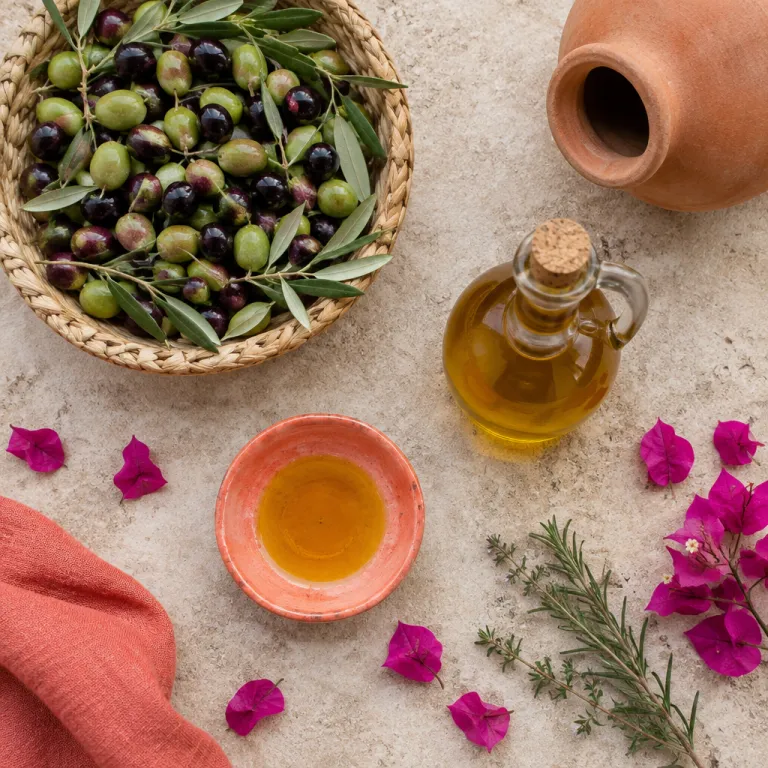
Why Bodrum’s olive hills belong on your luxury itinerary
From the sea, Bodrum reads as whitewashed villas, gulets and glittering bays. Drive ten to fifteen minutes inland toward villages such as Çamlık, Mumcular or Etrim and the landscape shifts to terraced slopes, every olive tree tracing the quiet backbone of Aegean oil culture. For families booking a luxury stay, weaving a Bodrum olive oil producers tasting into the week turns a beach holiday into a richer, more grounded experience.
Autumn is the moment when the olive harvest hums through the hills, typically from late October into December in Muğla Province according to local agricultural offices, and you can actually see oil production in motion at small mills while the air smells faintly of crushed Aegean olive fruit. Many producers, from long‑established mills like Kocamaar Farm near Mumcular to boutique estates such as Etrim Doğal Ürünler Çiftliği, open their doors for guided oil tasting sessions where you swirl, warm and sip extra virgin olive oil the way you might approach a serious wine flight. Children tend to love watching the machinery and walking through nearby olive groves, especially when a guide explains how olives move from tree to bottle in clear, visual steps.
For luxury travelers, the appeal lies in access to high quality local products rather than anonymous souvenir bottles. A well planned visit introduces you to Bodrum olive growers whose olive oils supply respected Turkish restaurants and discreet Aegean hotels, not just the airport duty free shelves. This article focuses on how to choose the right producers, what to expect from a Bodrum olive oil producers tasting, and how to bring that knowledge back to your hotel kitchen or your own cooking at home.
How to taste olive oil like it matters
Approach a Bodrum olive oil producers tasting the way you would a structured wine session. Hosts usually pour a small amount of extra virgin olive oil into dark glasses, because color is not a reliable indicator of quality olive character. You warm the glass in your hand, inhale deeply, then sip and let the oil coat your mouth before gently drawing in air.
Good olive oils from the Bodrum peninsula share three main traits that Turkish experts emphasise: fruitiness, bitterness and pepperiness. Fresh Aegean olive fruit should smell green and alive, sometimes like cut grass, tomato leaf or artichoke, while a pleasant bitterness and a peppery tickle at the back of your throat signal high quality and recent production. If an oil tasting reveals flat, greasy or rancid notes, or no bitterness at all, you are not dealing with serious oil production and should save your luggage space for better bottles.
Labels can be confusing, especially when you are new to Turkish oil culture and local regulations. Look for harvest dates, not just best before dates, and for clear mention of extra virgin standards rather than vague terms like “pure” or “light” that often hide industrial products. When a producer talks confidently about specific olive groves, named olive tree varieties such as Memecik or Gemlik and the exact window of olive harvest, you are usually in safe hands; many reputable Turkish extra virgin oils will also state free acidity levels below 0.8% and may carry national or EU‑style quality certifications.
Many families like to compare oil and wine during the same day, especially when staying near Karnas Vineyards in the hills above Bodrum. While wine–olive pairings are not a formal category, some estates offer both a small cellar tasting and a simple oil tasting based on their own groves, which keeps adults engaged while children explore the farm. If you are planning active family activities such as coastal snorkeling or watersports, pairing a morning in the hills with an afternoon using a guide like this day trip planning resource for the Aegean’s other shore creates a balanced, satisfying rhythm.
From mill to market: buying direct and bringing it home
One advantage of a Bodrum olive oil producers tasting is the chance to buy directly from the source. Prices for high quality extra virgin olive oil are often better at the mill than in resort shops, with typical farm‑gate prices ranging from the equivalent of €8–€15 per 500 millilitre bottle depending on harvest year and certification, and you see exactly where the oil production happens. For families, meeting the people behind the local products turns a simple purchase into a story children remember long after the trip.
When you buy, prioritise smaller bottles from a recent olive harvest, ideally in dark glass that protects the oil from light. Ask whether the olive oils are filtered or unfiltered, and how long the producer recommends keeping each bottle before the flavours fade, because fresh Aegean olive character is part of what you are paying for. Staff at serious Turkish mills are used to international tourism and can usually advise on packing bottles safely in checked luggage, often wrapping them in cardboard sleeves or padded bags.
To make the most of your purchases, think about how you cook at home and in your hotel kitchen if you have one. A robust Bodrum olive oil with pronounced bitterness works beautifully drizzled over grilled food, while a gentler virgin olive style suits children’s palates and everyday cooking. Many producers also sell olives, tapenades and other local products, so you can assemble a small Bodrum pantry that pairs well with the ceramics you might pick up using a guide such as this one on where to find handmade pottery and studios.
Packaging matters when you are flying home from Bodrum with oil. Avoid large metal cans unless you are confident about your airline’s weight limits, and instead choose a wide range of 250 to 500 millilitre bottles that tuck easily into suitcases. Most airlines allow 20–23 kilograms of checked baggage per person, so spreading bottles between family suitcases reduces the risk of excess fees. If you are staying in a premium hotel, the concierge can often help you arrange shipping for larger quantities of olive oil or wine, especially from estates such as Karnas Vineyards that are accustomed to international guests.
Designing a family friendly olive oil day out
Turning Bodrum olive oil producers tasting into a family excursion is easier than it sounds. Start with a late morning visit to a mill or farm, when the light is soft over the olive groves and children are still fresh. Many Turkish producers are used to tourism and will happily adapt their explanations, showing younger visitors how olives travel along the conveyor belts and into the presses.
After the tasting, pair the visit with a simple village lunch based on seasonal food and generous use of local olive oil. Grilled fish, slow cooked beans and crisp salads dressed with Aegean olive flavours give children a direct link between what they saw at the mill and what arrives on their plates. Parents can often add a glass of local wine, while children dip bread into different oils and learn to talk about bitterness and fruitiness as naturally as they might describe ice cream.
Afternoons lend themselves to slower activities that balance the intensity of oil tasting. Some estates offer a short cooking class or longer cooking classes where families prepare meze, simple Turkish dishes or even olive oil based desserts, turning the day into a hands on experience rather than a passive tour. If your hotel has a kitchen corner, you can bring back a bottle of Bodrum olive oil and recreate one or two recipes together, reinforcing the connection between travel, food and family time.
On another day, you might combine inland tasting with coastal activities using a resource such as this guide to diving and watersports for active families. That way, one child’s passion for the sea and another’s interest in cooking both find space in the same Bodrum itinerary. Luxury in this context is not just about the hotel pool, but about curating a wide range of experiences that feel both local and deeply personal.
The wider Bodrum pantry: from olive culture to Aegean table
Once you start paying attention to Bodrum olive oil producers tasting opportunities, the rest of the peninsula’s pantry comes into focus. Markets in town and in surrounding villages showcase olives in every shade, from briny black to bright green, alongside cheeses, herbs and other local products that define everyday Aegean food. For families staying in luxury properties with kitchenettes, a morning market run followed by relaxed balcony cooking can be as memorable as any restaurant meal.
Oil culture here is not a lifestyle slogan but a working reality that shapes landscapes and livelihoods. Generations have tended the same olive tree terraces, and many families now balance traditional production with carefully managed tourism, offering tastings, short tours and occasional cooking class sessions. When you choose to spend part of your travel budget on high quality olive oil, olives and related products, you support this balance and help keep small scale oil production viable.
Wine also plays a quiet supporting role in the Bodrum story, especially at estates such as Karnas Vineyards where rows of vines share the hillsides with olive groves. A thoughtful host might pour a glass of local wine alongside bread dipped in their own virgin olive oil, illustrating how wine and oil express the same soil in different ways. For premium families, these layered experiences sit comfortably alongside days at the beach or by the hotel pool, adding depth without demanding constant movement.
As you plan, remember that the main goal is not to tick off every producer, but to choose one or two places that align well with your family’s pace and interests. A single, unhurried afternoon with a passionate grower can shape how your children think about food and landscapes long after the trip ends. When you drizzle that Bodrum olive over tomatoes back home, the hills, the mills and the quiet clink of tasting glasses will come rushing back.
FAQ
When is the best time for a Bodrum olive oil producers tasting ?
The most engaging moment is during the autumn olive harvest, when mills are active and you can see fresh oil production in real time. Outside that window, many producers still offer structured oil tasting sessions, but you will be sampling bottled extra virgin olive oil rather than watching the process live. For families, shoulder season temperatures in October and November also make walks through olive groves more comfortable.
Can children enjoy a visit to Bodrum olive oil producers ?
Yes, most children respond well to the visual and tactile aspects of a mill visit. They can watch olives move along the machinery, feel the texture of different olives and taste bread dipped in contrasting olive oils. Choosing a producer that offers short, focused tours and perhaps a simple cooking activity helps keep younger visitors engaged.
How can I tell if an olive oil is genuinely high quality ?
Look for clear labelling of harvest dates, mention of extra virgin standards and information about specific olive groves or varieties. During an oil tasting, pay attention to fresh aromas, balanced bitterness and a peppery finish, which signal good Aegean olive character. Avoid oils that smell flat, waxy or rancid, or that lack any bitterness at all.
How much olive oil can I realistically bring home from Bodrum ?
For most travelers, a practical limit is several 250 to 500 millilitre bottles packed in checked luggage, depending on airline weight rules. Dark glass bottles protect the oil better than clear ones, and producers often provide protective packaging for tourism guests. If you plan to buy a wide range of oils or wine, ask your hotel concierge or the estate about shipping options.
Do I need to book Bodrum olive oil tastings in advance ?
Advance booking is strongly recommended, especially during peak tourism periods and around the olive harvest when demand is highest. Many Turkish producers are small, family based operations and may not accept walk ins, particularly if they are managing both production and tastings. A quick call or email also allows you to ask about language options, child friendly activities and any available cooking classes.