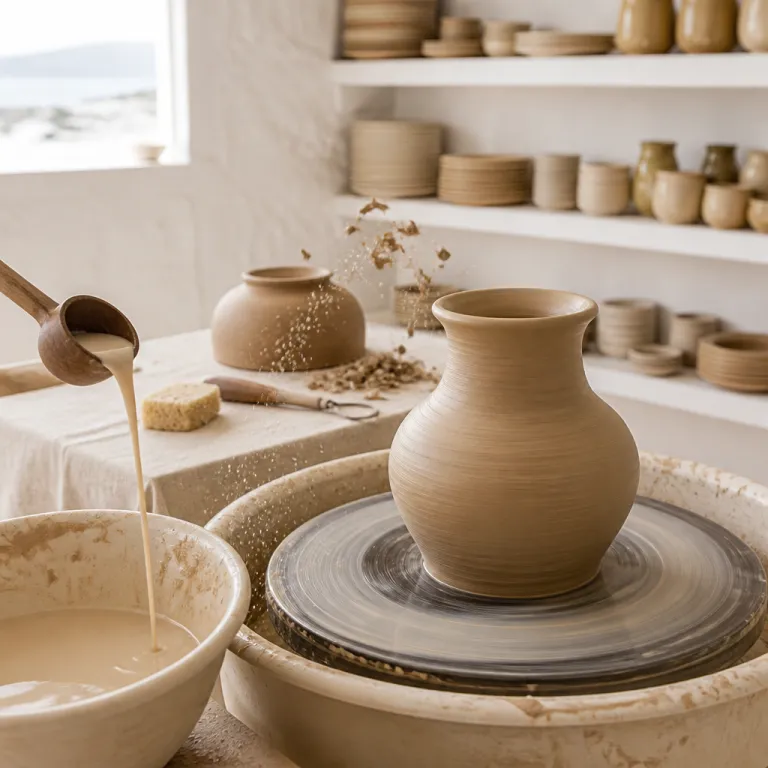
The Aegean palette: how Bodrum ceramics pottery handmade shapes luxury interiors
Step into a serious Bodrum suite and you will usually find at least one piece of Bodrum ceramics pottery handmade anchoring the room. In the best luxury properties, turkish ceramics are not props but part of a considered design language that links the city, the sea, and the hillsides of olive trees. Thoughtful hoteliers now brief each artisan so that every ceramic bowl, decorative tile, or hand painted vase feels like a quiet work of art rather than a generic souvenir.
The most refined interiors lean into the blue white Aegean spectrum, pairing a single iznik inspired ceramic platter with pale kilims and linen sofas. In these rooms, traditional turkish motifs such as the tree of life, the stylised olive branch, or the protective evil eye symbol are edited down, repeated sparingly across cushions, rugs, and small ceramics pottery accents. This restraint lets one or two pieces of handmade ceramic painting command attention, instead of drowning guests in over decorated patterns.
For business leisure travelers, this matters because your room becomes a curated gallery of local arts crafts rather than a theme park. When a hotel invests in genuine traditional pottery from a nearby pottery class studio, the space gains texture and credibility that mass produced decorative objects cannot match. You feel the hand of the artisan in the weight of a bowl, the irregular glaze on a tile, and the slight asymmetry that signals something truly handmade.
From whitewashed walls to ceramic accents: where hotels source Bodrum ceramics
Bodrum’s strict white paint code means that color enters the frame through textiles, art, and ceramics rather than façades. Many luxury properties now commission Bodrum ceramics pottery handmade pieces that echo the town’s architecture, using blue white glazes that mirror the castle walls and the harbour. If you are interested in how this visual language evolved, read the in depth guide on design forward hotels on the Bodrum peninsula before you book.
Some hotels work directly with local artisan studios in the heart of Bodrum, selecting a wide range of ceramic forms from shallow dishes to sculptural lamps. Others prefer to curate from local markets, where turkish ceramics sit beside handwoven kilims, olive oil soaps, and silver jewelry stalls. In both cases, the best buyers look for a clear connection between the work of art and the surrounding landscape, whether that is a tree of life motif referencing bodrum ancient myths or a wave pattern echoing the bodrum marina.
When you tour properties, pay attention to how consistently the ceramics, rugs, and decorative objects are used across suites and public spaces. A lobby with one impressive iznik style tile panel but mass produced ceramic accessories in the rooms suggests a surface level approach. By contrast, a hotel that repeats the same artisan’s traditional pottery in the bar, the spa, and the guest rooms is usually investing in a coherent narrative of place.
Studios versus markets: where to buy handmade pieces that match your hotel aesthetic
If your suite’s ceramics have you planning carry on upgrades, you face a choice between studio visits and local markets. Studio visits around the city and nearby villages let you watch Bodrum ceramics pottery handmade in real time, from the first turn of the wheel to the final blue white glaze. These ateliers often sit away from the busiest streets, so ask your concierge or check hotel art in the lobby, then follow the names of the featured artisan back to their workspace.
In studios, you can commission decorative ceramic pieces that echo your hotel’s interiors, whether that means a set of tiles for a bathroom or a single tree of life platter for a dining room wall. Prices are usually higher than in local markets, but you gain a direct relationship with the maker and a clearer sense of how each work of art fits into traditional turkish ceramic practice. Many studios also offer a short pottery class, which can be a relaxed counterpoint to evenings at bodrum marina music venues with live music.
Local markets in the heart of Bodrum, by contrast, offer a wide range of ceramics, rugs, kilims, and jewelry in one energetic sweep. Here you will find both handmade ceramic bowls and mass produced decorative plates, often on the same table, so you need to look closely at the base, the glaze, and the weight. Before you buy, step back and imagine how that piece will sit beside your existing rugs and art at home, not just how it glows under the market lights.
How to tell genuine handmade Bodrum ceramics from factory pieces
Luxury travelers used to five star retail environments can feel overwhelmed by the sensory overload of turkish local markets. The key to choosing Bodrum ceramics pottery handmade is to slow down and handle each piece with the same care you would give to jewelry or a tailored jacket. True handmade ceramic work of art usually feels slightly heavier than it looks, with a base that shows the artisan’s trimming marks rather than a perfectly flat, machine polished circle.
Look at the painting on the ceramic surface and follow the brushstrokes around the curves of the bowl or vase. In traditional pottery, motifs such as the evil eye, the olive branch, or the tree of life will vary subtly from piece to piece, while factory ceramics repeat the same decorative pattern with mechanical precision. Iznik inspired turkish ceramics often feature a blue white palette with coral red accents, but in handmade versions the colors bleed gently into the glaze instead of sitting on top like stickers.
Do not hesitate to ask direct questions about where the ceramics pottery was made, who painted it, and whether the artisan works nearby in the city or in a village outside Bodrum. Sellers who can name the studio, describe the firing process, and explain the traditional turkish symbolism of the motifs usually handle authentic pieces. When a stallholder avoids eye contact, gives vague answers, or cannot explain the difference between their tiles and those in the next shop, you are probably looking at imported factory ware.
Bringing Bodrum’s craft story home: shipping, sizing, and hotel level styling
Once you have chosen your Bodrum ceramics pottery handmade pieces, the next challenge is getting them home intact. Larger items such as wall tiles, big platters, or ceramic lamps are best shipped directly from the studio or from your hotel, which can coordinate reputable couriers used to handling art and decorative objects. Ask for double boxing, generous padding, and clear fragile labels, then photograph each work of art before it leaves the city in case you need to file an insurance claim.
For carry on luggage, focus on smaller ceramics, jewelry, and textiles that echo the mood of your favorite suite rather than its exact layout. A pair of blue white bowls, a narrow tree of life tile, or a small evil eye dish for olive oil can recreate the feeling of a bodrum marina terrace without overwhelming a New York apartment. Combine these with a kilim runner or a couple of flat woven rugs, and you will have a portable version of the heart of Bodrum’s design language.
When you style these pieces at home, borrow cues from the hotels that inspired you and from essays on art filled lobbies in Bodrum. Group ceramics pottery in threes, mixing heights and shapes, and keep surrounding surfaces calm so the painting and glaze can breathe. A single traditional pottery vase with olive branches on a console can say more about your travels than a crowded shelf of small souvenirs.
Planning a ceramics focused stay: hotels, neighborhoods, and time well spent
If Bodrum ceramics pottery handmade is a priority, choose your base with the same care you give to flight times. Properties in the heart of Bodrum place you within walking distance of local markets, small galleries, and the bodrum marina, where evening live music spills from bars into the streets. This central location makes it easy to visit studios by day, then return to a quiet terrace for an olive oil martini at sunset.
Design forward hotels along the peninsula often integrate turkish ceramics, kilims, and rugs into every room, turning corridors into informal arts crafts galleries. These properties sometimes host in house pottery class sessions with visiting artisan teachers, which can be ideal if your schedule is tight and you prefer not to navigate the city’s backstreets alone. Ask in advance whether the hotel can arrange private studio visits or a guided tour of traditional pottery workshops in villages linked to bodrum ancient trade routes.
To deepen your understanding of how ceramics fit into the broader architectural story, read the feature on Bodrum’s building codes and design language before you arrive. This context helps you see how a single blue white tile, a carved tree of life motif, or a discreet evil eye charm can echo the city’s stone, light, and sea. With that lens, every piece of ceramic art in your room becomes part of a larger narrative rather than an isolated decorative object.
Key figures shaping Bodrum’s ceramics and design scene
- According to the Turkish Statistical Institute, Muğla province, which includes Bodrum, hosts several thousand registered craftspeople, with ceramics and arts crafts forming a significant share of creative businesses compared with other coastal regions.
- UNESCO’s reports on intangible cultural heritage note that traditional turkish ceramic practices, including iznik inspired techniques, have seen renewed interest, with apprenticeship numbers rising over the past decade in Aegean cities.
- Data from the Turkish Ministry of Culture and Tourism shows that visitors who engage in cultural shopping, such as buying handmade ceramics or attending a pottery class, tend to spend more per trip than beach only travelers.
- Surveys by regional chambers of commerce indicate that local markets in the heart of Bodrum and around the bodrum marina remain primary sales points for small artisan workshops, even as online sales grow.
FAQ about Bodrum ceramics and hotel focused stays
Which areas of Bodrum are best for buying handmade ceramics near luxury hotels ?
The heart of Bodrum around the castle and the streets behind the bodrum marina offers the densest mix of galleries, local markets, and artisan shops within walking distance of high end hotels. You will find both studios and curated stores that work directly with traditional pottery makers. For quieter browsing, ask your concierge about nearby villages known for ceramics along the peninsula.
How can I be sure a piece is genuinely handmade and not factory produced ?
Check the base for irregularities, feel the weight, and study the painting for small variations that indicate a human hand. Ask the seller where the piece was made, who the artisan is, and whether there is a studio you can visit. Genuine Bodrum ceramics pottery handmade usually comes with a clear story and a maker’s name, not just a price tag.
Can hotels help arrange pottery classes or studio visits during a short stay ?
Many luxury and premium hotels in Bodrum now maintain relationships with local ceramic studios and can arrange a private pottery class or a short tour. This is especially useful for business travelers extending a trip, as it saves time on logistics. Contact the concierge before arrival so they can match your schedule with the right artisan.
What should I consider when shipping ceramics home from Bodrum ?
For larger or fragile pieces, use a reputable courier that your hotel or studio already trusts and request double boxing with generous padding. Keep photos and receipts in case of damage during transit, and check customs rules for your home country, especially for high value art. Smaller items such as bowls or tiles can usually travel safely in hand luggage if wrapped carefully in clothing.
How do Bodrum ceramics fit into a modern interior without feeling overly themed ?
Focus on a restrained palette, often blue white with natural tones, and choose a few strong pieces rather than many small ones. Combine ceramics with simple textiles, kilims, and olive wood or stone to echo the Aegean without copying a hotel room exactly. Let each work of art stand alone on a calm surface so the traditional turkish motifs feel sophisticated, not crowded.