Why Bodrum’s whitewashed skyline matters for design led stays
Bodrum architecture whitewash design is not a postcard cliché, it is law. The Muğla Municipality requires low rise properties, white façades and restrained volumes so that the whole of Bodrum town and the wider Bodrum peninsula read as one calm composition. For travelers choosing a luxury property, this shared language of whitewashed stucco, stone and shadow becomes a reliable filter for design quality.
The rulebook is surprisingly specific, yet it leaves room for strong architects to play. Height limits keep most buildings close to ground level, while the mandated white paint reflects heat and lets the intense Aegean blue dominate the horizon. In the 2006 update to the Muğla İmar Yönetmeliği (Muğla Zoning Regulation), façade notes state that exterior walls in Bodrum must be finished in white, “to reflect solar gain and preserve the traditional settlement character,” a line echoed in local press coverage of the façade code.
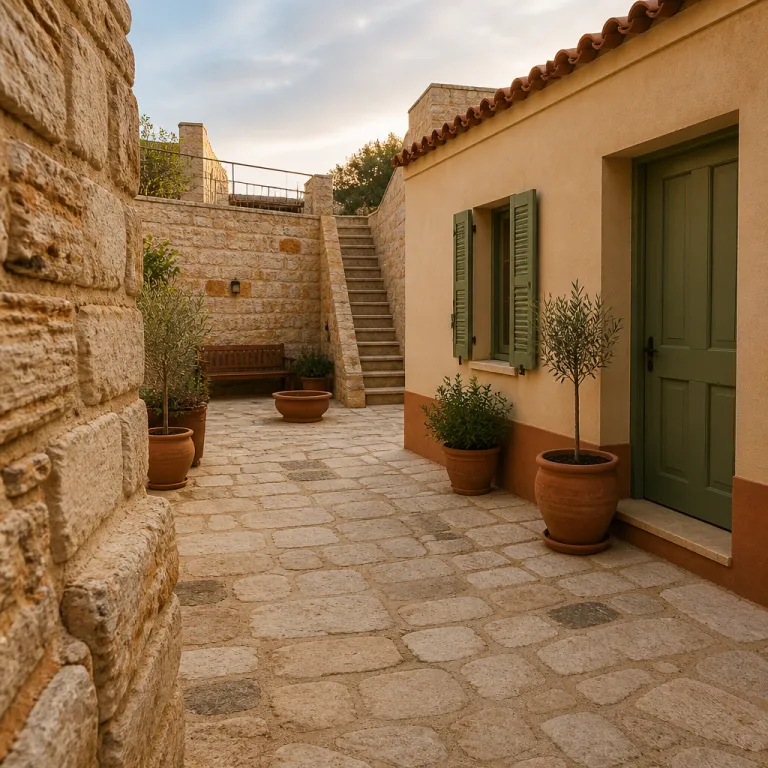
That identity is anchored in Carian stone foundations that still shape how new designs meet the hillside. Carian stonemasons once cut blocks from nearby quarries, and many contemporary architecture practice teams still reference those proportions in retaining walls and garden level terraces. When you walk into a luxury hotel lobby here, you are often stepping onto the same geology that supported ancient walls above the Aegean coast.
From Carian walls to whitewashed stucco: a timeline you can sleep in
Staying in Bodrum is like checking into a living museum of Mediterranean architecture. Carian fortifications, Ottoman towers and Greek era houses form a layered backdrop that modern designs must respect, especially around Bodrum museum and the castle quarter in Bodrum town. The contemporary whitewashed building code is the latest chapter in this story, not a break from it.
Many luxury properties borrow the massing of those early houses, stacking rooms around courtyards that catch breezes from the Aegean. Thick stone at garden level keeps interiors cool, while upper floors in whitewashed stucco frame views of marinas and the wider Bodrum peninsula. Some architects even echo the rhythm of permanent galleries in a museum, arranging suites like exhibition rooms along shaded colonnades.
In places such as Yalıkavak and Türkbükü, the timeline accelerates. Here, award winning designs sit beside simple fisherman houses, and the contrast between glass fronted marina developments and older stone properties is sharp. For couples, this means you can choose between a hotel that feels like an artist studio carved into rock or a contemporary hybrid space that opens straight onto a pool deck.
How the whitewash mandate shapes luxury hotel experiences
The white paint regulation is often described as restrictive, yet for hospitality it has been a gift. Because every property must work within Bodrum’s monochrome coastal code, the best hotels compete on proportion, texture and how gracefully each building connects garden, terrace and interior living spaces. You feel this most clearly in resorts where rooms step down the hillside in small clusters rather than in one dominant block.
On the ground level, architects use local stone and cool tiles to anchor lobbies and restaurants, then shift to lighter whitewashed stucco as volumes rise. This creates a visual gradient from earth to sky that flatters the Aegean blue and keeps even large properties feeling human in scale. Pools are often tucked into garden level platforms, so water seems to spill toward the sea without overwhelming the landscape.
For couples, the result is intimacy even in sizeable luxury resorts. Narrow paths lined with tangerine trees lead from your suite to the pool, while low walls frame glimpses of the marina or the open Aegean coast. When you compare hotels on a booking website, look closely at site plans and photos; the ones that respect these levels and layers usually offer the most serene stays.
International architects, local codes: Bulgari, OKU and the new wave
Global names have arrived in Bodrum, but the paint code still rules the brief. ACPV Architects, the Milan based studio behind Bulgari Resort and Mansions Bodrum, is shaping a roughly 60 hectare property that must still read as part of Bodrum’s whitewashed architectural language rather than an imported object. In ACPV’s own project description, the team notes that the masterplan “follows the natural topography with low rise white volumes,” underlining how a global luxury vocabulary is translated into quiet, terraced forms on the Bodrum peninsula.
OKU Bodrum takes a different route, leaning into minimalist design with art installations curated by Begüm Güney and landscaping that nods to Japanese gardens. Here, whitewashed stucco walls are softened by gravel paths, timber screens and a pool axis that draws your eye straight to the Aegean. With just over 100 keys, the resort keeps a low density footprint, so the hybrid space between coastal retreat and artist studio feels calm rather than crowded.
Elsewhere, properties near Yalıkavak Marina and along the Yalıkavak Türkbükü stretch experiment with blue mosaic details, shaded pergolas and garden level lounges. Even with strict codes, architects find ways to signal individuality through textures, hand finished plaster and the choreography of light. When browsing designs on stay in Bodrum style platforms, pay attention to how each property handles these small moves; they often matter more than headline amenities.
Preservation versus development: choosing your Bodrum base
Not every corner of Bodrum tells the same architectural story, and your choice of base will shape your experience. Around Gümüşlük and older pockets of Bodrum town, Carian stone walls, modest white houses and tangled bougainvillea still dominate, giving a village scale that suits slow, romantic stays. Here, the whitewashed building tradition feels almost invisible because it simply extends what was already there.
By contrast, Yalıkavak Marina and the Yalıkavak Türkbükü corridor showcase a more polished, international face of Turkey’s Aegean coast. Glass, steel and sharp angles appear more often, yet even these award winning developments must keep their main masses low and their façades white. The tension between preservation and development is visible in how new properties step back from the shoreline, leaving older stone houses and small artist studios closer to the water.
If you care about architecture, decide whether you want to wake up in a place that feels like a quiet extension of an old village or a contemporary resort world. A meze crawl through Bodrum’s neighbourhood restaurants, such as those highlighted in this guide to under the radar local tables, pairs beautifully with a stay in the historic core. Meanwhile, design focused couples might prefer a property near a marina, where evening walks take you past yachts, galleries and carefully lit façades.
Reading individual hotels: from stone cottages to textile rich suites
Certain hotels have become case studies in how to work intelligently within Bodrum’s whitewashed planning rules. Amanruya, set among pines on the Bodrum peninsula, uses rough hewn stone cottages and private pools to echo Carian craftsmanship while delivering high end privacy. Each property module feels like a freestanding house, yet the repeated materials tie the whole composition back to the landscape.
The Bodrum EDITION, closer to Yalıkavak, takes a more overtly contemporary line with clean planes, generous terraces and a pool that cascades toward the Aegean. Whitewashed stucco surfaces are offset by warm timber and carefully framed views of the marina, proving that minimalism can still feel lush when it is grounded in local light and proportion. In Yalıkavak itself, Avantgarde Refined emphasises handmade furnishings and woven textiles, turning its 32 rooms into soft, tactile living spaces rather than generic luxury boxes.
When you scan photos on a booking site, look for clues in how each hotel handles thresholds and levels. Does the ground level lobby open directly to a garden level terrace that connects garden, pool and sea in one movement? Are there quiet corners that feel like an artist studio, or does everything face the same loud deck? These details tell you whether the architecture is working for intimacy or simply for spectacle.
The Aytac lens: Bodrum as a live design laboratory
Among the Turkish names shaping the region, Alper Aytac and his team at Aytac Architects stand out for their analytical approach. Based between Bodrum and İstanbul, Turkey, this architecture practice often treats the peninsula as a laboratory for testing how strict codes can still yield expressive forms. In their work, Bodrum’s whitewashed coastal architecture becomes a framework for exploring shadow, depth and the relationship between interior living spaces and the surrounding Aegean landscape.
In interviews, Aytac describes his fascination with hybrid space, where indoor lounges slide into outdoor decks at garden level without a hard threshold. A pool might sit half a level below the main property, so that water, stone and whitewashed stucco form a layered composition when seen from above. Blue mosaic tiles sometimes appear only where water meets stone, a subtle nod to the Aegean without resorting to obvious nautical themes.
Projects by Aytac Architects often feel like small, award winning essays in how to live lightly on the land. Terraces step down the slope, tangerine trees punctuate courtyards and permanent galleries of local art turn circulation routes into cultural experiences. For couples choosing a stay, seeking out properties touched by such architects can mean nights spent in spaces that feel both rigorously designed and genuinely relaxed.
Key figures behind Bodrum’s whitewashed identity
- Muğla Municipality formally enforced the white paint regulation in the mid 2000s, with the 2006 revision of the Muğla İmar Yönetmeliği codifying a practice that had existed informally for generations to protect Bodrum’s visual identity and manage heat in the local climate (summarised in regional zoning and façade guidelines).
- The Bulgari Resort and Mansions Bodrum project by ACPV Architects spans roughly 60 hectares on a private peninsula, making it one of the largest single luxury properties on the Bodrum peninsula and a major test case for integrating global brands into local codes (according to ACPV’s published project data and design briefs).
- OKU Bodrum’s 100 plus key scale remains modest compared with many Mediterranean resorts, reflecting Bodrum’s preference for low density developments that respect height limits and maintain sea views for neighbouring properties (as indicated in hotel fact sheets and industry coverage).
- Avantgarde Refined Yalıkavak’s 32 room size underlines a regional trend toward smaller, design focused properties that can better adapt to the constraints of Bodrum’s whitewashed planning rules while offering personalised service (reported in operator information and hotel reviews).
- The Bodrum area sits at approximately 37.03° N and 27.43° E on Turkey’s Aegean coast, a latitude that makes solar gain a serious design concern and reinforces the functional need for reflective white façades (noted in geographic and regional climate studies for Bodrum, Turkey).
FAQ: Bodrum’s whitewashed architecture and hotel choices
Why are Bodrum’s buildings almost always painted white?
Buildings in Bodrum are painted white both for climate control and cultural continuity. The reflective lime based paint helps keep interiors cooler under strong Aegean sun, while the uniform colour preserves a cohesive skyline that has become part of the town’s identity. Local regulations now formalise this practice to protect the visual character that attracts design conscious travelers.
How does the whitewash rule affect luxury hotel design?
The whitewash rule forces luxury hotels to compete through proportion, materials and spatial planning rather than flashy façades. Architects focus on how volumes step down the hillside, how garden level terraces connect garden, pool and sea, and how stone, timber and textiles add depth to white surfaces. For guests, this usually translates into calmer, more timeless environments.
Where should design focused couples stay on the Bodrum peninsula?
Couples who care about architecture often gravitate toward areas like Bodrum town, Gümüşlük and select pockets of Yalıkavak and Türkbükü. These neighbourhoods offer a mix of historic stone houses, sensitive new builds and access to marinas, galleries and serious dining. When booking, look for hotels that highlight their architects and show clear site plans rather than only room close ups.
What makes Carian stone important for modern hotels?
Carian stone is the local material that underpinned ancient walls and still shapes how buildings meet the terrain. Modern hotels use it for retaining walls, plinths and garden level platforms, giving new structures a visual and thermal connection to the land. This continuity helps large properties feel rooted rather than imposed.
Are international brands changing Bodrum’s architectural character?
International brands are adding new layers, but strict codes and strong local architects keep them in dialogue with existing fabric. Projects like the Bulgari Resort by ACPV Architects must still respect height limits, white façades and low density planning. For travelers, this means you can enjoy global service standards without losing the essential Bodrum architecture whitewash design language.