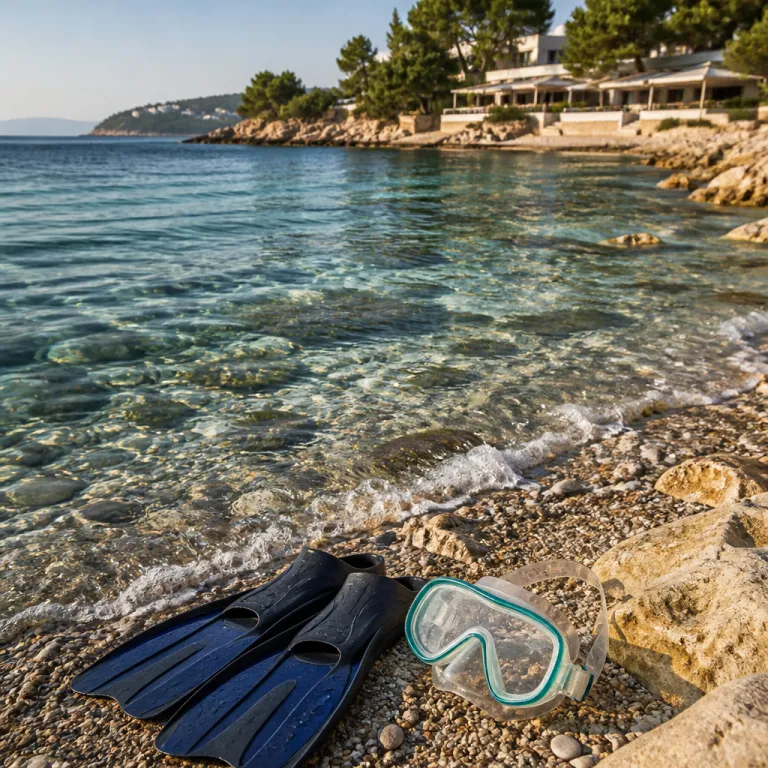
Why Bodrum’s shorelines suit family snorkeling better than you think
The Bodrum peninsula in Turkey is usually framed as a place for gulet decks, late lunches and long evenings by the sea. Yet for families staying in luxury and premium hotels, the real beauty often lies just underwater, in calm shallow bays you can reach on foot. Along this stretch of the Turkish coast, several beaches offer clear water, easy access and realistic marine life for children and casual swimmers.
Local authorities quietly maintain a handful of shore accessible snorkeling spots around Bodrum, and the number of easily reached beaches now stands at five according to summary figures from the Muğla Provincial Directorate of Culture and Tourism (2023 coastal inventory, regional beach register). These are not tropical reefs, but Mediterranean best sites where rock formations, seagrass meadows and small fish create gentle underwater drama. For parents choosing between a private pool and the sea, these bays give you the best snorkeling balance of safety, clarity and interest.
The peninsula’s geography helps. Rocky headlands shelter small bays from wind and boat traffic, keeping the water clear and usually calm shallow near the shore. From late May to early October, typical surface temperatures range from about 21–25°C (70–77°F) based on Turkish State Meteorological Service sea-temperature averages, warm enough for unhurried family swims. Local guidance from Bodrum Municipality and beach management notes that visibility is highest in the first half of the day and recommends bringing your own snorkeling gear and checking daily weather bulletins.
How this guide fits luxury and premium hotel stays
This article is written for guests booking higher end hotels in Bodrum who want more than a sun lounger. Many of the peninsula’s leading seaside retreats sit within a short taxi or dolmuş ride of excellent snorkeling spots that do not require a boat or charter. Choosing a property with direct beach access to a sheltered bay can quietly transform a family holiday, especially when children are perfect beginners in the water.
On stay-in-bodrum.com we walk the shoreline, check the entry points and talk to snorkelers rather than relying on brochure language. That same approach shapes this guide to snorkeling spots Bodrum Turkey, with a focus on realistic expectations and practical detail. You will find where the sea stays crystal clear close to shore, which beaches suit diving snorkeling fans and which are better for a gentle float with a mask.
Think of this as a complement to your hotel search, not a separate activity list. When you compare properties, look at their distance to the bays mentioned here and whether a short walk replaces the need for a private yacht or gulet. For families who prefer quiet luxury over loud beach clubs, the right shoreline can matter as much as the room category.
Central Bodrum and Torba: easy snorkelling from city-side hotels
Staying near Bodrum town keeps you close to the harbour, restaurants and the castle, but it also places you within minutes of surprisingly good underwater options. Torba Beach, on the northern side of the peninsula, is one of the best snorkeling choices that you can reach entirely from the shore. The bay curves gently, with a mix of sand and pebbles, and the water becomes interesting for snorkeling Turkish style just a few metres from the edge.
Families based in central Bodrum often split days between the hotel pool and Torba’s sea, using taxis or short dolmuş rides. The calm shallow entry makes it perfect for beginners, while older children can follow the rock formations along the sides of the bay to spot wrasse, bream and the occasional octopus. You will not see the dramatic ancient ruins or underwater sculptures that define some diving sites in other parts of Turkey, but you will get a clear sense of Mediterranean marine life.
For guests who like to pair city energy with quiet swims, Torba works better than the main town beach. The water is usually clearer, boat traffic is lighter and the small jetties provide easy access points for slipping into the sea without stepping on stones. If you are considering a stay near Bodrum’s working harbour, this detailed guide to the shipyard quarter and Blue Voyage culture helps you understand how gulet life and shore snorkeling can sit side by side.
What to expect underwater near Bodrum town
Underwater visibility around Bodrum is usually good, especially in the morning when winds are lighter and surface chop is minimal according to Bodrum Municipality beach safety notes. Expect clear water over pale sand, patches of Posidonia oceanica seagrass and scattered rocks that attract small fish rather than dense coral gardens. This is classic snorkeling Turkey coastline, where the beauty lies in simplicity and in the way light plays across the sea floor.
For families used to Caribbean or Pacific reefs, setting expectations correctly matters. You come here for easy access, safe bays and the ability to step from a luxury hotel breakfast straight into the sea within half an hour. That combination of comfort and nature is what makes these central Bodrum snorkeling spots so appealing for premium travellers.
When planning your stay, remember that the first half of the day is generally best for both avoiding crowds and enjoying the clearest underwater views. Winds tend to rise in the afternoon, which can stir up sand and reduce visibility, especially in more open bays. If your children are perfect beginners, schedule their first sessions when the sea is at its calmest and the light is soft.
Türkbükü and the north coast: glamorous coves with family-friendly entries
The north coast of the Bodrum peninsula, especially around Türkbükü, is better known for waterfront decks and long lunches than for masks and fins. Look closer and you will find several bays where the water stays crystal clear and the entry is gentle enough for children. Many luxury and premium hotels here sit directly on the sea, turning a quick snorkel into an easy extension of your beach day.
Türkbükü’s horseshoe bay offers some of the best sites for casual snorkeling in this part of Turkey, particularly along the rocky edges away from the busiest jetties. The sea floor shifts from sand to rock formations, creating small underwater ledges where fish gather and sea urchins cling to the stone. Parents should keep younger swimmers in calm shallow areas, but more confident snorkelers can follow the coastline for longer, relaxed explorations.
For a deeper sense of what this cove offers beyond its reputation, read the insider guide to what Türkbükü offers beyond the hype. That piece explains how to navigate the mix of beach clubs, hotel platforms and quieter corners where you can slip into the water with minimal fuss. When you combine that local knowledge with an eye for sheltered corners, you unlock some of the top snorkeling experiences reachable without a boat.
North-coast practicality for premium families
From a logistics perspective, the north coast suits families who want everything within walking distance. Many hotels provide direct access to the sea via wooden decks, with ladders leading straight into clear water over varying depths. This makes it easy to supervise children while still enjoying the comfort of a sunbed, a shaded cabana or a nearby restaurant.
Because this side of the peninsula faces prevailing winds differently, conditions can change through the day. Mornings usually bring the best snorkeling, while afternoons may see more chop from passing boat traffic and gulet movements. If you plan to combine a private yacht day or a charter with shore based snorkeling, schedule the boat for later and keep the early hours for quiet swims from your hotel’s platform.
Compared with more remote bays, Türkbükü and its neighbours offer immediate access to amenities, which matters when you travel with children. Showers, changing cabins and shaded seating are never far away, and many properties keep a small stock of basic snorkeling gear for guests. Bringing your own mask and snorkel still gives the best fit and hygiene, but you can rely on the hotel for top ups if something breaks.
Quiet southern coves: Aspat, Bağla and low-key luxury from the shore
Turn your attention to the southern side of the Bodrum peninsula and the mood shifts. Here, Aspat Cove and Bağla Cove offer a quieter, more elemental version of the sea, with fewer boats and more space between sunbeds. These are among the best snorkeling spots Bodrum Turkey can offer to families who value calm shallow entries and a sense of escape.
Aspat’s bay sits beneath a distinctive hill, with a mix of sand and pebbles leading into clear water that deepens gradually. The underwater scene is classic snorkeling Turkish coastline, with patches of seagrass, scattered rocks and small schools of fish moving through shafts of light. Bağla feels wilder, with more pronounced rock formations along the edges that attract marine life and create interesting routes for older children and adults.
Premium hotels and low rise seaside retreats in this area often emphasise peace over party, which suits families who want early nights and early swims. For a curated overview of where to stay when you want the peninsula rather than the nightlife, the guide to the quiet hotels of Bodrum is a useful companion. Pairing one of those properties with Aspat or Bağla gives you a strong base for daily snorkeling without ever needing a boat.
How these coves compare with boat-only icons
Names like Aquarium Bay, Butterfly Valley, Kekova and the islands off the Turkish coast often dominate conversations about top snorkeling in Turkey. Those places are beautiful, but they usually require a private yacht, a gulet cruise or at least a shared charter to reach. For many families, that means a full day commitment, higher cost and less flexibility around children’s energy levels.
By contrast, Aspat and Bağla deliver a similar sense of clear water and hidden coves, but with direct access from the shore. You will not find dramatic ancient ruins underwater here as you might around Kekova, yet you gain the freedom to swim for twenty minutes before breakfast or after an afternoon nap. That rhythm suits premium family travel, where the best time for a snorkel often aligns with a child’s mood rather than a boat schedule.
Think of the famous bays and islands as special excursions and these southern coves as your everyday sea. Over the course of a year snorkeling around Bodrum, regular short sessions from the shore can add up to more relaxed underwater time than a single headline grabbing charter. For perfect beginners, that repetition in familiar water builds confidence far more effectively than one dramatic but overwhelming day trip.
What you will (and will not) see underwater in Bodrum
Setting honest expectations is central to any credible guide to snorkeling spots Bodrum Turkey. The Aegean around Bodrum offers clear water, gentle rock formations and healthy seagrass meadows, but it does not deliver tropical coral or neon coloured reef fish. You come here for subtle Mediterranean beauty, not for the intensity of the Red Sea or the Maldives.
Underwater, expect to see small schools of saddled bream, ornate wrasse in various greens and blues, and the occasional larger fish such as sea bass cruising the edge of your vision. Octopus sometimes hide in rock crevices, and sea urchins cling to stones, so water shoes help when entering from pebbly sections. In the calm shallow zones near the shore, children can watch tiny fish dart between their toes, which often feels like the best snorkeling experience of the day for them.
More experienced snorkelers who enjoy diving snorkeling combinations can explore slightly deeper sections along the edges of bays. Here, the sea floor drops away more steeply, and you may find larger rocks, small overhangs and sometimes traces of ancient ruins such as amphora fragments documented in regional underwater archaeology surveys. Always respect local regulations and never remove objects from the sea, as Bodrum’s underwater heritage is protected and forms part of Turkey’s wider archaeological story.
Comparing Bodrum with other Turkish coast highlights
Elsewhere along the Turkish coast, places like Butterfly Valley and the bays around Kekova offer dramatic cliffs, caves and more visible historical remains. Those areas are rightly considered some of the best sites for top snorkeling in Turkey, especially when combined with a private yacht or gulet charter. Yet they are not as practical for families staying in one hotel who want frequent, low effort swims.
Bodrum’s strength lies in how easily you can step from a luxury room to the sea without logistics. Over the span of any time year, especially from late spring to early autumn, you can build a daily snorkeling habit that fits around meals, naps and evenings out. That pattern suits premium family travel better than chasing every famous bay on the map.
If you do plan a boat day, use your shore based experience to choose the right style. Families who enjoyed calm shallow entries from the beach may prefer a stable gulet with easy ladders and plenty of shade. Those who grew confident with diving snorkeling from the rocks might enjoy a smaller private yacht that can anchor closer to more rugged coastlines.
Gear, safety and timing: making shore snorkelling work for families
For premium travellers, the difference between a one off swim and a daily ritual often comes down to preparation. Bringing your own mask and snorkel from home ensures a comfortable fit, which matters when you plan to spend long stretches in the water. Fins are optional for calm shallow bays, but they help older children and adults move more efficiently when exploring rock formations further from the entry point.
Local beach facilities around Bodrum sometimes rent basic snorkeling gear, yet quality and hygiene vary, so serious snorkelers usually prefer their own equipment. A simple underwater camera or a waterproof case for your phone can turn short swims into shared family memories, especially when children start pointing out their favourite fish. Rash vests or thin wetsuit tops extend your comfortable time in the sea, particularly outside the hottest months.
Safety wise, always check the day’s wind and wave conditions before committing to longer swims. Morning remains the most reliable period for clear water and minimal chop, while afternoons can bring stronger breezes that make the sea feel less friendly for perfect beginners. Stick close to the shore with children, avoid swimming near busy boat lanes and pay attention to any local signage or lifeguard advice.
Choosing the right season and time of day
On the Bodrum peninsula, you can technically snorkel at almost any time year, but comfort levels change with sea temperature and wind. Late spring through early autumn usually offers the best time window for families, with warm water and long, bright days. Outside that period, the sea cools and winds increase, which suits hardy snorkelers more than casual swimmers.
Within each day, early hours consistently deliver the best snorkeling conditions. The sea is calmer, the light is softer and there is less disturbance from boat traffic or other swimmers. For families staying in luxury hotels, this often means a quiet snorkel before breakfast, followed by a relaxed day by the pool or exploring Bodrum town.
Plan your schedule around the youngest swimmer in your group. Short, frequent sessions in familiar bays build confidence and keep the experience positive, especially for children who are new to the underwater world. Over the course of a holiday, those small rituals can become the moments everyone remembers most clearly once you leave Turkey behind.
How to choose a Bodrum hotel when snorkelling is a priority
When snorkeling sits high on your family’s wish list, hotel location matters as much as room size. Look for properties with direct beach access to a sheltered bay, or those within a short, flat walk of a public beach known for clear water. On the Bodrum peninsula, that often means focusing on Torba, Türkbükü, Aspat, Bağla and a handful of smaller bays rather than the busiest town centre strips.
Luxury and premium hotels that front the sea usually describe their water as crystal clear, but satellite images and guest photos tell a more honest story. Seek out stretches where the sea floor looks pale and consistent near the shore, with darker patches marking seagrass and rock formations further out. Those contrasts often indicate the best snorkeling zones, where fish gather and underwater landscapes feel more varied.
Ask properties specific questions before booking. Does the hotel provide ladders directly into the sea, or only a sandy beach entry? Are there calm shallow areas suitable for perfect beginners, or does the depth drop quickly from the edge of the platform? Clear answers help you match the hotel’s setting to your family’s confidence in the water.
Balancing shore snorkelling with boat days
Even if you plan to spend most of your time in shore accessible bays, a single day on a private yacht or gulet can add variety. From Bodrum, many charters head towards Aquarium Bay, the islands off the coast or more remote hidden coves that you cannot reach on foot. These trips showcase a different side of snorkeling Turkey, with deeper water, more dramatic coastlines and sometimes glimpses of ancient ruins beneath the surface.
For families, the key is to treat boat days as a complement, not a replacement, for daily swims from the hotel. Shore based snorkeling offers flexibility and low pressure, while charters deliver spectacle and a sense of adventure. Over a full year snorkeling across different destinations, that mix tends to keep both adults and children engaged without fatigue.
When choosing between a larger shared boat and a smaller private yacht, consider your children’s comfort with crowds and open sea conditions. A traditional gulet provides space and stability, which suits multi generational groups, while a compact vessel can slip into narrower bays and hidden coves. Either way, the confidence your family gains in Bodrum’s easy access bays will make those offshore swims feel far more relaxed.
Key figures on shore-accessible snorkelling around Bodrum
- The Bodrum tourism board currently highlights five easily accessible snorkeling beaches around the peninsula, reflecting a growing focus on low impact coastal activities; these are summarised in recent Muğla Provincial Directorate of Culture and Tourism beach data and municipal coastal plans.
- Local guidance notes that morning hours offer the best visibility for snorkeling, because winds and surface chop tend to increase through the afternoon in this part of Turkey.
- Snorkeling is considered a daytime activity here, with most families entering the water between 09:00 and 12:00 when lifeguard coverage and light conditions are optimal on main public beaches according to Bodrum Municipality seasonal safety schedules.
- Regional trends show a steady rise in eco tourism and demand for snorkeling activities, as visitors look for alternatives to high impact motorised water sports along the Turkish coast.
- Shore based snorkeling requires minimal infrastructure, so even a small increase in visitor interest can significantly boost engagement with marine environments without major new construction.
| Bay | Approx. GPS | Access type | Typical depth near entry | Family suitability | Lifeguard (summer) |
|---|---|---|---|---|---|
| Torba Beach | 37.074°N, 27.459°E | Public beach + hotel jetties | 0.5–3 m within 20 m of shore | Excellent for beginners | Often on main public section |
| Türkbükü Bay | 37.117°N, 27.366°E | Hotel platforms, wooden decks | 1–4 m from ladders | Good with supervision | Varies by beach club |
| Aspat Cove | 37.000°N, 27.292°E | Resort beach + small public areas | 0.5–3 m, gently shelving | Very good for families | Usually at organised beaches |
| Bağla Cove | 36.987°N, 27.264°E | Beach clubs, small coves | 1–5 m close to rocks | Best for confident swimmers | Limited; check locally |
FAQ about shore snorkelling on the Bodrum peninsula
What are the best shore-accessible snorkeling spots in Bodrum?
Torba Beach, Aspat Cove and Bağla Cove stand out as the best shore accessible snorkeling spots around Bodrum for families and casual swimmers. Each offers clear water, relatively calm shallow entries and easy access without needing a boat. These bays balance convenience with enough underwater interest to keep both adults and children engaged.
When is the best time of day to snorkel in Bodrum?
Early morning is consistently the best time to snorkel on the Bodrum peninsula. The sea is usually calmer, visibility is higher and there is less disturbance from boat traffic or other swimmers. Local advice summarises it clearly: “Arrive early for best visibility. Bring own snorkeling gear. Check local weather conditions.”
Do I need to bring my own snorkeling gear to Bodrum?
Bringing your own mask and snorkel is strongly recommended, especially for premium travellers who plan to swim daily. Some beaches and hotels do offer rentals, but quality, fit and hygiene can vary. Personal gear ensures comfort, which is crucial for children and for anyone spending long periods in the water.
Is Bodrum suitable for beginner snorkelers and children?
Bodrum is well suited to perfect beginners and children, thanks to its many calm shallow bays and gentle entries. Beaches like Torba, Aspat and Bağla allow families to stay close to the shore while still enjoying clear water and small fish. Choosing a hotel with direct beach access or nearby sheltered coves makes supervision and safety much easier.
Can I snorkel in Bodrum all year round?
You can technically snorkel in Bodrum at almost any time year, but comfort levels vary with sea temperature and wind. Late spring through early autumn usually offers the best time window for most visitors, with warmer water and longer days. Outside that period, conditions suit experienced snorkelers more than casual swimmers, especially children.
Suggested further reading: Turkish Ministry of Culture and Tourism coastal reports; Muğla Provincial Directorate of Culture and Tourism beach data; International Union for Conservation of Nature (IUCN) Mediterranean marine assessments.