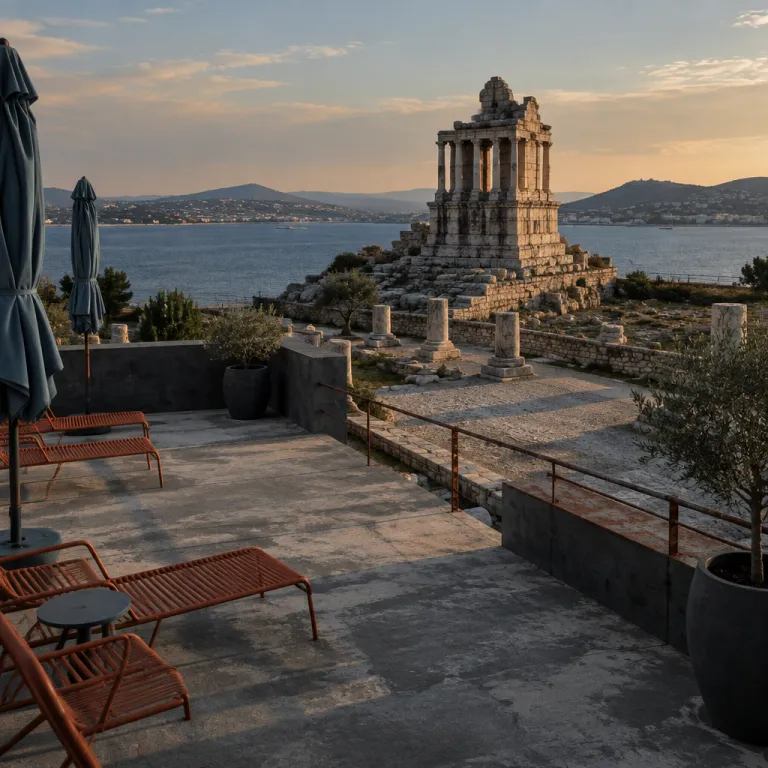
Sleeping beside an ancient wonder in Halicarnassus Bodrum
Luxury travellers choosing Bodrum often want more than sea views. They want a stay that connects their hotel to the Mausoleum at Halicarnassus and to the layered history of this ancient Carian city. In Halicarnassus Bodrum, the right property lets you wake near a legendary tomb yet enjoy contemporary comfort.
The original Mausoleum at Halicarnassus once rose above the harbour, a monumental tomb built for Mausolus and Artemisia II that became one of the great wonders of the ancient world. Today the ruins of the mausoleum sit quietly in a residential area of Bodrum, but premium hotels nearby reinterpret its stepped structure, its sculpted friezes, and its marble in refined ways. Choosing a luxury building here means staying within minutes of the archaeological site while enjoying curated design and attentive service.
Several five-star properties occupy the wider area that once formed ancient Halicarnassus, placing guests between the Castle of Saint Peter and the remains of the tomb. Well-known addresses such as The Marmara Bodrum, Regnum Escana Boutique Hotel, and El Vino Hotel & Suites sit within easy reach of the site, with many suites offering views of Bodrum Castle, also known as the Castle of Saint Peter, which reused stones from the ruins of the mausoleum during its fifteenth-century construction by the Knights Hospitaller. This visual link between castle, museum, and archaeological site turns a simple stay in Turkey into an immersive lesson in history.
For travellers who value context, proximity to the Mausoleum at Halicarnassus is as important as a private beach. Walking from your hotel to the remains of the mausoleum takes only a few minutes, yet the journey crosses centuries of Asia Minor history. You pass whitewashed houses, the harbour, and finally reach the quiet structure that once held the burial chamber of Mausolus; one concierge describes it as “stepping out of the present and arriving in a stone outline of another world”.
Premium hotels in Halicarnassus Bodrum now highlight this narrative in their concierge briefings. Staff explain how Alexander the Great besieged and later admired the city, how Pliny the Elder described the wonders of the ancient world in the first century AD, and how nineteenth-century British archaeologists removed sculptures to London. This framing helps guests see the Mausoleum at Halicarnassus not as an isolated ruin but as part of a living urban fabric.
Architectural echoes of the mausoleum in contemporary hotel design
High-end properties in Bodrum increasingly reference the design of the Mausoleum at Halicarnassus. Architects study the surviving foundations of the mausoleum site in Bodrum, the descriptions by Pliny, and the reliefs now in the British Museum’s Mausoleum at Halicarnassus collection to reinterpret proportions and volumes. The result is a new generation of hotels where ancient structure informs modern luxury.
Many projects use stepped terraces that recall the original design of the mausoleum, which combined a high podium, a colonnaded temple, and a pyramidal roof. Instead of copying the ancient building, designers borrow the rhythm of columns, the balance of solid and void, and the careful framing of sea and castle views. This approach to the design of the mausoleum inspires suites that feel both grounded in history and open to the Aegean light.
Local regulations in Bodrum require white façades, yet within this strict paint code architects play with stone textures that reference Carian construction techniques. A detailed analysis of how Carian stonework shaped the city’s aesthetic can be found in this guide to reading Bodrum’s buildings and their design language. In several luxury properties, rough-hewn stone walls echo the remains of the mausoleum, while smooth marble surfaces recall the polished reliefs that once adorned the tomb.
Interior designers also draw on the story of Mausolus and Artemisia to create narrative suites. One room type might reference the burial chamber with deep, quiet colours and recessed lighting, while another celebrates the Temple of Artemis at Ephesus and Artemis of Ephesus with lighter tones and sculptural forms. These subtle references allow guests to feel the presence of the wonders of the ancient world without turning their stay into a museum visit.
Public spaces often frame views toward Bodrum Castle and the Castle of Saint Peter, underlining the link between the fortress and the ruins of the mausoleum. Some lobbies feature curated reproductions of reliefs from the British Museum, clearly labelled so guests understand the journey of the remains of the mausoleum from Turkey to Britain. This careful storytelling builds trust and positions the hotel as a knowledgeable gateway to local history.
Choosing a luxury hotel near the Mausoleum at Halicarnassus
When selecting a premium hotel in Halicarnassus Bodrum, location relative to the archaeological site matters. The Mausoleum at Halicarnassus stands slightly inland from the harbour, in a calm residential area that feels removed from the nightlife. Staying within a radius of about 1 kilometre lets you visit the site early, before day-trip crowds arrive from other parts of Turkey.
Look for properties that clearly explain their distance to both the mausoleum and Bodrum Castle, since these two landmarks define the historical core. A hotel positioned between the Castle of Saint Peter and the ruins of the mausoleum offers easy access to the Museum of Underwater Archaeology at Bodrum Castle, the harbour, and the ancient theatre. This triangle of castle, museum, and tomb forms the most rewarding walking circuit for guests interested in history.
Room categories also influence how you experience this ancient context. Suites with castle views keep the story of Halicarnassus visible, while garden rooms near archaeological fragments can feel closer to the remains of the mausoleum. Some properties even design specific room types inspired by the burial chamber of Mausolus, using stone, timber, and soft textiles to evoke a serene, sheltered atmosphere.
Service quality is another key factor for travellers drawn to the wonders of the ancient world. A knowledgeable concierge can arrange private guides who explain how Pliny the Elder described the mausoleum, how Charles Thomas Newton and other British archaeologists excavated the site in the 1850s, and how fragments reached the British Museum. This level of detail turns a simple visit to the ruins of the mausoleum into a deeper engagement with Asia Minor history.
Finally, consider how each hotel integrates local materials and construction methods. Properties that reference the design of the mausoleum in their structure, that use stone reminiscent of the original building, and that respect the scale of the surrounding area tend to age gracefully. They feel like a natural extension of Halicarnassus Bodrum rather than an imported resort, which enhances both authenticity and long-term value.
From tomb to table: gastronomy shaped by Bodrum’s layered history
Staying near the Mausoleum at Halicarnassus is not only about architecture. It also shapes how you eat, drink, and move through Bodrum’s historic area. Many luxury hotels now curate culinary experiences that connect the ancient site, the harbour, and the surrounding hills.
Some properties offer tasting menus inspired by ingredients that would have been familiar in ancient Asia Minor. Chefs reference the era of Mausolus and Artemisia, using local olive oil, herbs, and seafood while avoiding theatrical gimmicks. The aim is not to recreate a burial-chamber banquet but to echo the flavours that once travelled through the port of Halicarnassus.
Guests who want to explore beyond the hotel should plan at least one evening in the old-town streets between the castle and the ruins of the mausoleum. This neighbourhood mixes traditional meyhanes, contemporary wine bars, and small eateries that still feel rooted in local history. A carefully curated guide to a meze crawl through Bodrum’s lesser-known restaurants is available here: a meze crawl through Bodrum’s neighbourhood restaurants.
Several premium hotels now collaborate with local producers to highlight Bodrum’s agricultural hinterland. Olive groves, vineyards, and citrus orchards in the wider area supply ingredients that appear on tasting menus and in welcome amenities. This connection between rural landscape, coastal castle, and ancient tomb reinforces the sense that Halicarnassus Bodrum is more than a beach destination.
Well-designed dining rooms often frame views of Bodrum Castle or the Castle of Saint Peter, subtly reminding guests of the stones taken from the ruins of the mausoleum during medieval construction. Some properties display maps showing the original location of the mausoleum, the current archaeological site, and the route to the British Museum where many reliefs now reside. These visual cues encourage guests to think about the journey of artefacts from Turkey to Britain while enjoying contemporary cuisine.
Planning your visit to the mausoleum site from a luxury base
Once you have chosen a hotel near the Mausoleum at Halicarnassus, planning your visit becomes straightforward. The archaeological site is compact, so most guests spend between 30 and 60 minutes there. Combining the ruins of the mausoleum with the castle and museum creates a richer half-day itinerary.
Start early from your hotel to reach the site when it opens, enjoying the quiet of the residential area before the streets fill. Walking from many luxury properties takes less than 15 minutes, passing small shops and glimpses of the harbour. On arrival you will see the foundations of the mausoleum at Halicarnassus, the outline of the burial chamber, and scattered remains of the mausoleum’s structure.
Information panels explain how the building once rose more than 40 metres, how its design combined a stepped podium, a colonnaded temple, and a pyramidal roof, and how statues of Mausolus and Artemisia crowned the top. References to Pliny and other ancient authors help visitors imagine the mausoleum as one of the great wonders of the ancient world. Guides often mention that Alexander the Great spared Halicarnassus after a siege, impressed by its fortifications and urban layout.
After visiting the site, continue downhill toward Bodrum Castle and the Castle of Saint Peter, built by the Knights Hospitaller. Here you can see stones and sculptural fragments taken from the ruins of the mausoleum during medieval construction. The castle now houses the Bodrum Museum of Underwater Archaeology, which adds another layer of maritime history to your stay.
To complete the narrative, many travellers later visit the British Museum in London, where major reliefs and statues from the Mausoleum at Halicarnassus are displayed. Exhibits explain how Charles Thomas Newton and other British archaeologists excavated the site in the nineteenth century and shipped key pieces to Britain. Understanding this journey helps guests appreciate both the remains of the mausoleum in Turkey and the reconstructed elements abroad.
How Bodrum’s luxury hotels interpret an ancient legacy
The most compelling premium properties in Halicarnassus Bodrum do more than offer comfort. They interpret the legacy of the Mausoleum at Halicarnassus, the castle, and the surrounding landscape for a contemporary audience. This interpretive role has become a quiet hallmark of high-end hospitality in the area.
Some hotels commission artworks that respond to the story of Mausolus and Artemisia, the Temple of Artemis at Ephesus, and other wonders of the ancient world. Sculptures in lobbies might abstract the stepped form of the mausoleum, while paintings reference the coastline of Asia Minor and the siege by Alexander the Great. These pieces invite reflection without turning the property into a themed resort.
Programming also plays a role in building authority and trust. Curated talks by archaeologists, guided walks to the mausoleum at Halicarnassus, and small-group visits to the Castle of Saint Peter help guests understand the site’s history. Hotels that invest in such experiences tend to attract travellers who value depth, context, and careful storytelling.
Responsible communication about the remains of the mausoleum and the role of institutions such as the British Museum is increasingly important. Properties that acknowledge both the splendour of the original structure and the complex history of excavation and removal demonstrate maturity. They help guests form their own views on how artefacts from Turkey ended up in Britain without oversimplifying.
For travellers booking a luxury stay, these nuances can be decisive. A property that integrates the design of the mausoleum into its architecture, that situates guests between the ruins of the tomb and the castle, and that offers informed guidance on local history will usually provide a more meaningful experience. In Halicarnassus Bodrum, the best hotels understand that sleeping near an ancient wonder carries both privilege and responsibility.
Key figures and travel statistics around Bodrum and the mausoleum
- According to the Turkish Ministry of Culture and Tourism, Bodrum’s wider province of Muğla welcomed more than 3 million international visitors in 2019, underlining the region’s role as one of Turkey’s primary coastal destinations.
- Visitor data from the Bodrum Museum of Underwater Archaeology indicate that a significant share of castle visitors also include the nearby mausoleum site in their itinerary, showing how closely linked these two monuments are in traveller behaviour.
- UNESCO’s listings of cultural heritage in Turkey highlight that several Aegean sites, including the region around Bodrum, contribute to a national portfolio of more than a dozen recognised or tentative cultural properties.
- Surveys by Turkish tourism authorities show that cultural and historical motivations rank among the top three reasons for visiting the Aegean coast, alongside beach holidays and sailing, which supports the development of history-focused luxury stays.
FAQ about staying near the Mausoleum at Halicarnassus
How close can I stay to the mausoleum site in Bodrum?
Several luxury and premium hotels lie within about 1 kilometre of the Mausoleum at Halicarnassus, allowing guests to walk to the site in 10 to 15 minutes. Properties closer to the harbour and Bodrum Castle still offer convenient access by a short taxi ride. When booking, check the hotel’s map location relative to the archaeological site.
Is the Mausoleum at Halicarnassus worth visiting if only ruins remain?
Although only foundations and scattered fragments survive, the Mausoleum at Halicarnassus remains significant because it was one of the original wonders of the ancient world. The site helps visitors understand the scale and design of the lost structure and its role in the history of Halicarnassus. Combining the visit with Bodrum Castle and the museum creates a rewarding cultural half-day.
Can I visit both the mausoleum and Bodrum Castle in one day?
Yes, the mausoleum site and Bodrum Castle are close enough to visit comfortably in a single day. Many travellers spend an hour at the ruins of the mausoleum and several hours exploring the Castle of Saint Peter and the Museum of Underwater Archaeology. Staying in a nearby luxury hotel makes it easy to return for a rest between visits.
Are guided tours of the mausoleum available from hotels?
Most high-end hotels in Halicarnassus Bodrum can arrange private guides or small-group tours that include the mausoleum, the castle, and other ancient remains. These guides often provide detailed explanations based on classical authors such as Pliny and modern archaeological research. Booking through your hotel ensures reliable service and convenient scheduling.
What is the best season to book a luxury stay near the mausoleum?
Late spring and early autumn usually offer the most comfortable conditions for exploring outdoor sites in Bodrum. Temperatures are milder than in peak summer, and crowds at the mausoleum and castle are lighter. During these periods, premium hotels often provide attractive packages that combine accommodation with cultural experiences.